The great product downgrade: when did “good enough” become good enough?
Cutting corners can save money. It can also give customers a reason never to buy from you again.
-
 The MOO Team

Share the post


Your favorite snack has less in the bag. The T-shirt feels thinner. The new bottle looks smarter but holds less.
Product downgrades can take many forms, from smaller portions and cheaper ingredients to thinner materials and stripped-back service. They might protect margins in the short term, but customers tend to notice when they’re getting less.
That’s where “good enough” becomes risky. What starts as a sensible saving can quickly turn into a quality problem, then a trust problem, then a reason to buy from someone else problem.
So what is a product downgrade really costing your brand? And when does cutting corners start costing more than it saves?
Key takeaways
- According to a YouGov study, 82% of US consumers say they’re concerned about shrinkflation, and one in five say it could make them stop buying certain products.
- Hidden quality cuts can damage trust more than straightforward price rises, especially when brands aren’t transparent.
- Good design should improve a product, not disguise what’s been taken away.
- According to a study by Consumer Reports, 84% of Americans support making repair information and parts available, suggesting there’s real appetite for products built to last.
- When so much is getting smaller, thinner and cheaper, making something properly can be a powerful way to stand out.
It’s shrinking before our eyes
According to Financial Visualisationz in 2024, 82% of US consumers said they were concerned about shrinkflation. Among those surveyed, 68% had noticed it in snacks and candy, while one in five said they were likely to stop buying some products altogether.
And they’re not imagining it. According to LendingTree, which analyzed 98 everyday products, a third had shrunk.
The quality is shrinking too
In the Financial Visualisationz study, 77% of Americans said companies often sell lower-quality products and services while charging more.
54% said they had recently stopped doing business with a brand because quality fell below expectations.
Cutting a little product can save a little money. Losing a customer costs a lot more.
Saving is small. Trust is expensive
People really don’t like being quietly shortchanged.
According to a 2026 study by the Journal of Consumer Research, skimpflation, cutting quality rather than raising the price, found that consumers react more negatively to hidden quality cuts than to smaller sizes or straightforward price increases.
A higher price is obvious, but a downgrade can feel deceptive. The same research found that being transparent about the change helped.
Skimping on quality leaves a bitter aftertaste for brands

Hershey’s got a taste of that in 2026, when Brad Reese, grandson of Reese’s founder H.B. Reese, publicly criticized Hershey for using cheaper coatings in some products. Hershey said its classic Peanut Butter Cups hadn’t changed, but announced that the affected products would return to its classic chocolate recipes in 2027.
MOO view: A recipe can be changed back. Rebuilding confidence in the brand can take rather longer.
Design shouldn’t hide the downgrade
A redesign should make a product better. It becomes a problem when the new look is doing more work than the product itself.
In 2022, PepsiCo phased out Gatorade’s 32-ounce bottle in favor of a newly designed 28-ounce version. The tapered shape was easier to grip, but it also contained 12.5% less Gatorade.

Back in 2016, Toblerone widened the gaps between its famous chocolate peaks, reducing a 170g UK bar to 150g to avoid raising the price. Customers hated it. Two years later, Toblerone brought back its traditional shape, this time with a bigger bar and a higher price.
MOO view: Good design can refresh a product, improve how it works and make it easier to use. It shouldn’t be used as a way to distract customers from what’s missing.
When quality becomes your competitive advantage
People want the opposite of disposable. According to Consumer Reports, 84% of Americans support requiring manufacturers to make repair information and parts available to owners or independent repairers.
Darn Tough Vermont takes that thinking rather literally. Its socks are unconditionally guaranteed for life. Wear a hole through them, and the company will replace them. Even better, returned socks become R&D: Darn Tough studies wear patterns and feeds what it learns back into product development.

Then there’s Patagonia. Its Worn Wear program has helped keep more than 583,000 items out of landfill, supported by more than 100 care and repair guides.
These are quality promises customers can actually put to the test. They also give both brands a pretty compelling reason not to cheap out.
MOO view: Do less. Get very good at it. Quality gives people a reason to keep and repair a product instead of replacing it.
Proof is in the product

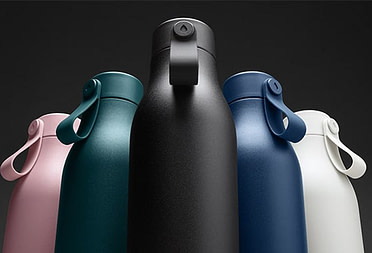
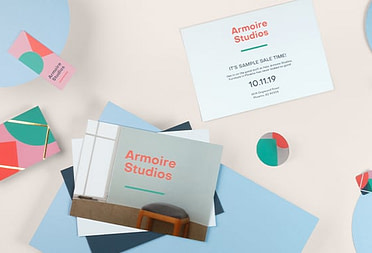
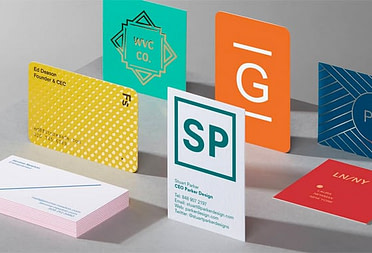
Quality shows up in every physical touchpoint a customer has with your brand. The Business Card you hand over. The packaging they open. The Drinkware that ends up on their desk. If those things feel flimsy or built to be replaced, that says something too.
That’s why beauty should never be treated as an extra, and why every detail deserves attention.
At MOO, quality lives in the paper stock, the print, the finish, and the final check. When so much is getting smaller, thinner, and cheaper, making something properly can be a powerful way to stand out.
Make quality part of your brand with our range of premium Print and Branded Merch. To get started, fill out the form below and someone will be in touch shortly.
Keep in touch
Get design inspiration, business tips and special offers straight to your inbox with our MOOsletter, out every two weeks.
Share the post
Keep in touch
Get design inspiration, business tips and special offers straight to your inbox with our MOOsletter, out every two weeks.