The sale that stole November
How can brands stand out when everything is on sale?
-
 The MOO Team

Share the post


Love it or loathe it, Black Friday and Cyber Monday have become a permanent fixture in the shopping calendar.
The phrase was first coined in 2005 to describe a post-Thanksgiving spike in online shopping. After the long weekend of browsing and buying, consumers returned to their offices and continued their Christmas shopping from their desks.
Twenty-one years later, the one-day event now stretches across most of November. The sales seem to kick off just as the Halloween decorations are being packed away.
But what makes Black Friday and Cyber Monday so compelling? And how can your brand make the most of it without disappearing behind weeks of discounts? Let’s take a look.
Key takeaways
- In 2025, the five days from Thanksgiving through Cyber Monday generated $44.2 billion in US online sales.
- A genuine deadline can give shoppers a reason to act. A fake countdown can cost trust.
- Consistent branding, useful gifts and direct mail help shoppers remember more than the discount.
The psychology of a good deal

The popularity of Cyber Monday might seem simple: who doesn’t love a discount? But several behavioral science principles can also help explain why shoppers are drawn to these special deals.
First, there’s the anchoring effect. When a product is reduced, our brains automatically compare the sale price with the higher original price. This makes the savings feel even more significant.
Then there’s scarcity. Limited time offers can create a fear of missing out, encouraging shoppers to act quickly before the deal disappears. It’s why so many of us are guilty of purchasing things we hadn’t planned to buy, or don’t even need.
In 2012, Seung Yun Lee from Hanyang University and Russell Seidle from McGill University tested the effect of scarcity on 72 participants.
They showed them one of two watch adverts. The first used scarcity messaging such as, “Exclusive limited edition. Hurry, limited stock”. The other focused on the volume of items available and used copy like, “New edition. Many items in stock.”
The participants who read the scarcity messaging rated their purchase intent at 4.62 out of 9, compared to 3.37 for the control group. That’s a 37% increase just from using different wording.
How to make the most of Black Friday and Cyber Monday

It’s not just in the science lab that we can see how popular the lure of a discount is. In 2025, Adobe Analytics recorded $44.2 billion in US online spending during the five days from Thanksgiving through Cyber Monday, up 7.7% from 2024. Black Friday brought in $11.8 billion online, while Cyber Monday brought in $14.25 billion. Black Friday grew faster year over year, showing that online shopping isn’t confined to Monday.
Cyber Sale season can represent a valuable commercial opportunity for brands. But when inboxes, social media feeds and websites are filled with discounts, you need more than a red font and a bigger percentage to stand out.
So how do you give people a reason to choose your brand?
1. Create genuine urgency
A countdown clock or “last chance” messaging can give customers the nudge they need to decide. If an offer really ends on Monday, a countdown clock or “last chance” message can help people decide.

The FTC has warned about misleading countdown timers that create a false deadline, so use them only if your offer is genuinely available for a limited time. Give your urgency a reason: a genuine limited-edition product, a real closing date, or a set number of items.
2. Make the offer compelling
The best offer isn’t necessarily the one with the biggest discount. It’s the one that gives customers a good reason to choose you.

Think about what could make your offer more relevant or useful. Could you bundle complementary products together? Offer free delivery? Or make the decision easier with customer reviews, product recommendations or other useful information?
3. Think about the brand experience
Black Friday and Cyber Monday can bring in customers who have never shopped with you before. So don’t be tempted to put your brand identity on pause and just shout ‘Sale!’ the loudest.
Make sure every touchpoint of your website reflects your brand. Your tone of voice, creative assets, and messaging should all work alongside the offer.
All these little details can help turn a transaction into a memorable brand experience.
4. Stand out beyond the screen
Cyber Sales, by their very name, are predominantly a digital experience. So thinking about what happens once the product leaves your warehouse is one of the key, but often overlooked, ways to turn a one-off buyer into a repeat customer.
A branded gift included with an order can be a simple way to carry on marketing your company long after the customer hits ‘Buy’. The key is to make the merchandise relevant to your organization and the product they’re buying.

For example, a coffee company could send out an Insulated Mug with Cyber Sale orders. Or a cosmetics retailer might include a branded makeup bag.
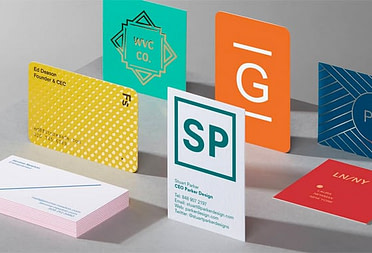
Even something as simple as a Business Card with a short thank-you note can add a personal touch and give customers another reason to remember you.
And, in this increasingly digital age, don’t forget the power of direct mail. With the average person exposed to around 4,000 to 10,000 ads each day, a physical piece of marketing can be a great way to cut through the noise. Send it a few months after a purchase, or use it to promote your next sale to encourage customer loyalty and repeat purchases.
Sign up to our mailing list for more insights and inspiration, as well as early access to our Cyber Sale.
Keep in touch
Get design inspiration, business tips and special offers straight to your inbox with our MOOsletter, out every two weeks.
Share the post
Keep in touch
Get design inspiration, business tips and special offers straight to your inbox with our MOOsletter, out every two weeks.