Strategically ridiculous: in defense of doing something silly
What do space jumps and casket coolers have in common?
-
 The MOO Team

Share the post


Every brand claims to “think differently.”
Most don’t.
They optimize, A/B test, follow best practices, and do what the data says. Because making logical decisions is safe and makes “good business sense.”
But playing it safe is how you end up looking like everyone else.
We love the brands that dare to go against the grain and do something different. Something wildly unhinged and totally out there.
Being illogical with your marketing works. Not despite the irrationality, but because of it.
As Rory Sutherland, Vice Chairman of Ogilvy UK and behavioral economics guru, says, “The human mind does not run on logic any more than a horse runs on petrol.”
Humans are gloriously, predictably irrational. We buy flowers that die. We queue for limited-edition trainers. And we trust brands that make us feel something —even if that feeling is, “wtf?”
Here’s how four brands proved that being unhinged can sometimes be the most logical thing to do.
Table of contents
- Red Bull sends a guy into space on a balloon
- Liquid Death creates a coffin for water
- Cards Against Humanity sells bullshit
- Patagonia tells people not to buy their jackets
- Do something off the wall
Key takeaways:
- Being strategically illogical sets you apart. Logic gets you to the same place as your competitors.
- People remember brands that took risks, not the ones that played it safe.
- Red Bull’s space jump generated 69% increase in brand recall and 77% boost in brand preference.
- Cards Against Humanity proved you can make a serious point through absurdism. 30,000 people bought literal bull shit to challenge Black Friday consumerism.
- Liquid Death treats marketing as the product itself.
- Patagonia’s “Don’t Buy This Jacket” campaign increased sales 30% by standing for something bigger than profit.
Red Bull sends a guy into space on a balloon
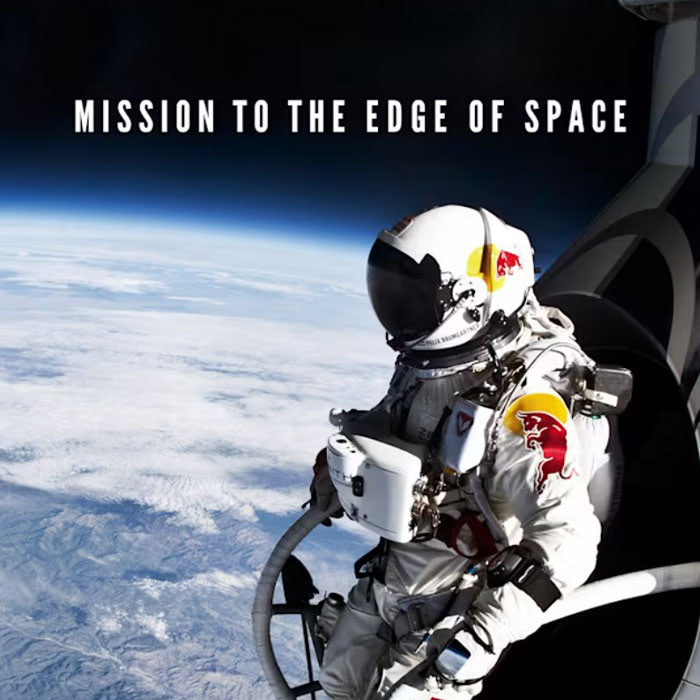
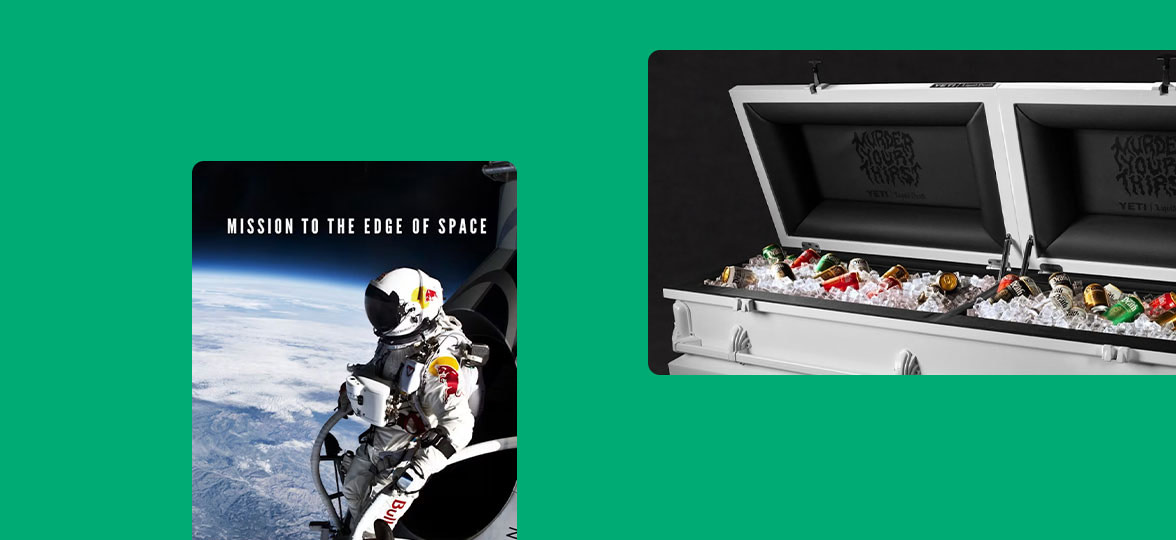
In 2012, Red Bull spent $50+ million on Red Bull Stratos, sending Felix Baumgartner 127,852 feet into the air in a helium balloon. Then they filmed him jumping out.
He became the first human to break the sound barrier without an aircraft. 8 million people watched live on YouTube.
The whole thing had nothing to do with energy drinks. But it symbolized the extreme boundary-pushing Red Bull is known for.
The logical move would’ve been to buy Super Bowl ads. But where’s the fun or memorability in that?! As Rory Sutherland puts it: “The opposite of a good idea can also be a good idea.”
Red Bull global sales jumped 13% in six months. Brand recall increased 69%. Brand preference shot up 77%. This out-of-this-world campaign was worth tens of millions of dollars in global exposure.
And it’s still talked about nearly fifteen years on.
Liquid Death creates a coffin for water
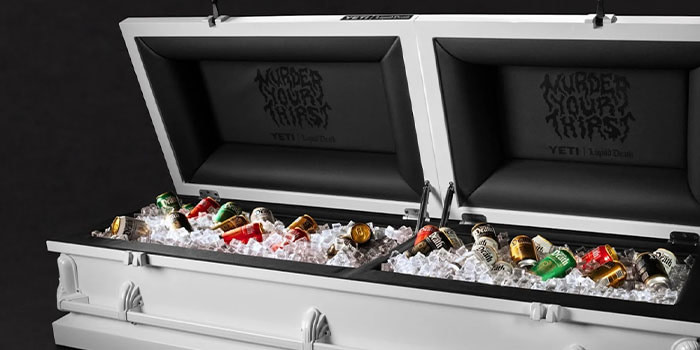
Liquid Death has cracked the code on turning marketing into the actual product, generating buzz through viral stunts. In 2024, the punk-inspired canned water brand partnered with Yeti to create a single life-sized casket that’s actually a cooler.
It sold at auction for $69,000 after 804 bids. This one-off coffin-cooler that “keeps your drinks cool for an eternity” generated millions in media coverage, gave Yeti instant access to Gen Z, and reinforced Liquid Death as the brand willing to go further than anyone else.
Liquid Death knows its audience is buying into their heavy metal aesthetics, punk irreverence, and a sustainability message that’s essentially a middle finger to every corporate playbook. Every stunt is designed to make people stop scrolling and think, “Did they actually just do that?”
Cards Against Humanity sells poop
Black Friday 2014. The biggest shopping day of the year. Every brand is screaming about discounts and doorbusters.
But not Cards Against Humanity.
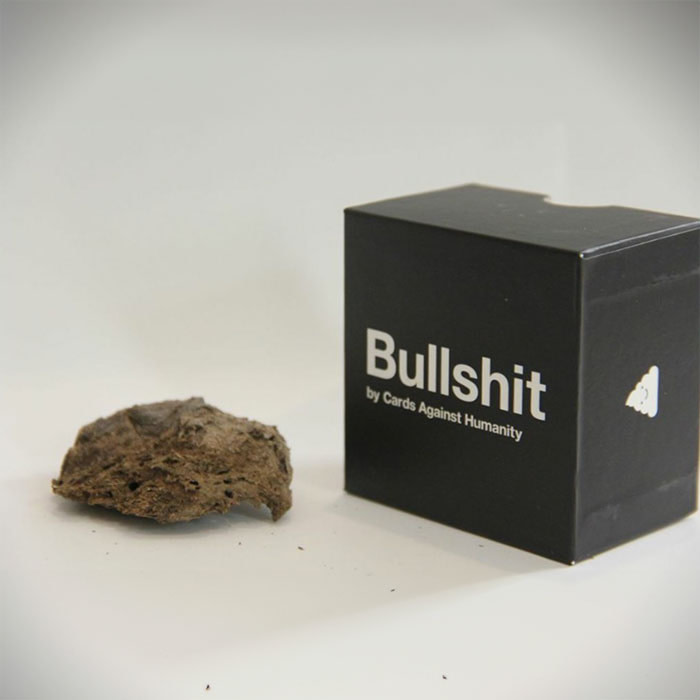
Nope, these black comedy giants sold boxes of actual bull poop for $6.
“We all really hate Black Friday, it’s just kind of a horrible day,” said the game’s co-creator, Max Temkin. “It comes after [Thanksgiving], where you’re supposed to be thankful for what you have, and then it’s just this whole huge media spectacle of people fighting each other to save $50 on a TV.”
30,000 people bought it. The profits went to Heifer International, a charity fighting poverty by providing livestock to developing communities.
They made a serious point in a way impossible to ignore.
Patagonia tells customers not to buy their jackets
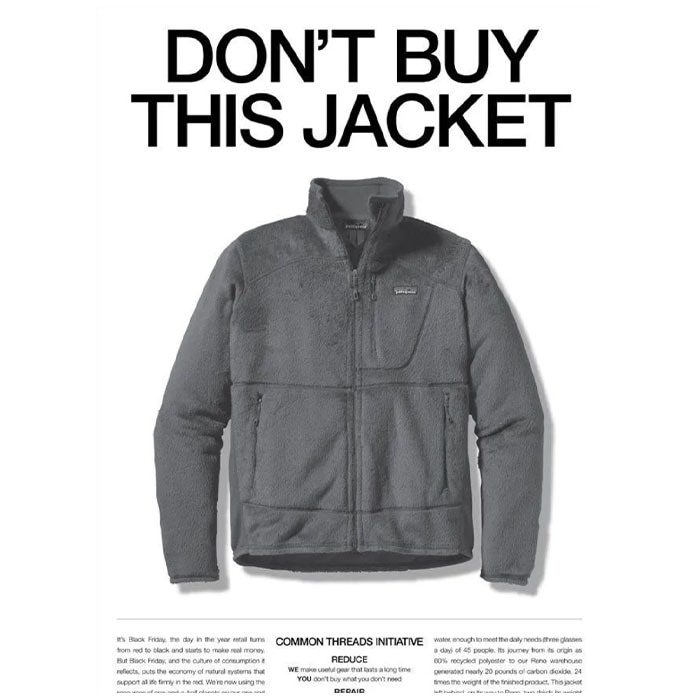
Outdoor adventure brand Patagonia took out a full-page ad in the New York Times with a photo of one of their best-selling jackets and the headline: “Don’t Buy This Jacket.”
The ad went on to detail the environmental cost of manufacturing the jacket and asked customers to think twice before buying anything new. Sales went up 30% the following year.
Turns out people don’t want brands to be rational or predictable. They want brands to stand for something, even if it costs money in the short term. Patagonia’s “illogical” stance on consumption became its greatest competitive advantage, as it garnered a cult following, both online and off.
This is your permission slip to stop optimizing and start doing something genuinely off the wall
So go ahead. Print Business Cards on ridiculously thick stock when everyone’s going digital. Send Postcards in the age of Slack. Make Stickers that serve no purpose except making people smile.
And if you need help bringing your unhinged ideas to life, MOO Business Services is here for it. To get started, fill in this simple form, and one of our team members will be in touch shortly.
Keep in touch
Get design inspiration, business tips and special offers straight to your inbox with our MOOsletter, out every two weeks.
Share the post
Keep in touch
Get design inspiration, business tips and special offers straight to your inbox with our MOOsletter, out every two weeks.