How not to bribe your clients
Anti-bribery laws are reshaping corporate gifting. Here’s how to stay compliant.
-
 The MOO Team

Share the post



You want to thank your best clients. Show appreciation. Maybe send something thoughtful that says “we value this relationship” without actually saying it. Noble intentions, right?
Here’s the plot twist: that gorgeous gift basket you’re eyeing? The one with the artisan chocolates and the bottle of something expensive? It might technically be a bribe.
Welcome to the wonderful world of corporate gifting in 2026, where anti-corruption laws are tighter than ever, and the line between “thoughtful gesture” and “federal offense” is surprisingly thin.
But before you panic-order generic swag, this guide breaks down what to avoid while still giving meaningful gifts.
Key Takeaways:
- Anti-bribery laws worldwide share common principles: transparency, proportionality, and proper intent.
- The rules vary significantly by country, industry, and whether your recipient works in the public or private sector.
- When in doubt, ask – it’s better to check than to accidentally compromise a client’s professional standing.
Why corporate gifting rules are getting stricter
Governments worldwide are cracking down on corruption, and corporate gifts can fall into those regulatory crosshairs.
The US Foreign Corrupt Practices Act, UK Bribery Act, China’s intensified anti-corruption campaigns, and the EU’s new Anti-Corruption Directive – they’re all making companies rethink their gifting strategies.

Even well-intentioned gifts can create conflicts of interest or the appearance of impropriety. One person’s thank-you gift basket is another person’s ethics violation.
The good news is that you can absolutely still give thoughtful gifts. You just need to be smarter about it. Year-round corporate gifting is entirely possible. You just need to know the principles.
The three questions to consider
Before you send anything, ask yourself:
1. Is it transparent?
Can the gift be openly declared and documented? If you’re thinking, “maybe don’t mention this to your boss,” that’s a red flag. Compliant gifts can be recorded in company systems without raising eyebrows.
2. Is it proportionate?
Does the value and nature of the gift match the business relationship and occasion?.
3. Could it influence a decision?
Would a reasonable person think the gift is meant to sway business judgment? Timing matters here, too. Sending something expensive right before a procurement decision looks suspicious, even if your intentions are well-meaning.
Red gifting flags to avoid
Even with the best intentions, certain gifting practices can land you – and your client – in hot water. The following should make you stop and think before moving forward:
1. Cash or cash equivalents
Gift cards, vouchers, anything easily converted to money? Just don’t. They’re a compliance nightmare.
2. Extravagant luxury items
That designer handbag or premium tech gadget might feel generous, but it’s probably not worth it.
3. Suspicious timing
Sending something lavish right before a big contract decision doesn’t look great. Timing is key.
4. Ignoring company policies
Always consult your policies as to timing, client location and any other guidance or instructions. Policies are there for a reason!
5. Anything that requires secrecy
If a gift can’t be openly declared or documented, it shouldn’t be given. Transparency is the cornerstone of compliant corporate gifting.
How to still make an impact
When working with tricky clients, understanding their compliance requirements is half the battle. Regardless of location, transparent, documented, reasonable-value gifts are your safest bet.

Here are some safe gifting strategies that fit any budget and help you stay compliant:
1. Think branded, not bougie
High-quality branded items signal thoughtfulness without screaming “expensive.” A beautifully designed Business Card Holder, custom Notebooks, or premium Postcards feel personal and useful without triggering compliance alarms.
2. Focus on utility
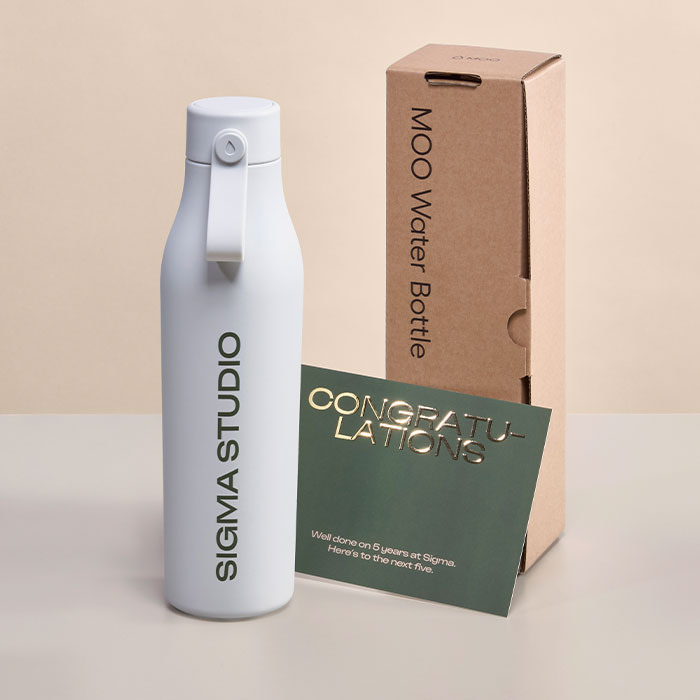
Gifts people actually use create ongoing brand visibility. Think practical items they’ll keep on their desk or use, such as a daily Planner or beautifully designed Drinkware.
3. Make it personal, not pricey
A custom design that references an inside joke or celebrates a shared milestone is worth more than generic luxury. Personalization shows you pay attention, which is ultimately what clients want to feel anyway. Even a handwritten message on a Luxe Notecard adds a personal touch.
4. Timing matters
Spreading smaller gifts throughout the year is often smarter than one big holiday gesture. Business gifting cultures around the world have different peak seasons. Playing the long game lets you stay top-of-mind without concentration risk.
5. When in doubt, ask
Seriously. Most companies have gifting policies. A quick “We’d love to send you something to say thanks. Does your company have any restrictions we should know about?” shows professionalism and saves awkwardness later.
Be generous, not liable
Corporate gifting doesn’t have to be complicated or compromising. The key is thoughtfulness over extravagance. Transparency over flash. And understanding that the best gifts strengthen relationships without creating obligations.
Explore MOO’s gift range – where beautiful design stays well within limits, and nobody ends up explaining themselves to HR.
*This content is for general informational purposes only and does not constitute legal advice. Corporate gifting rules vary by country and situation, and companies should consult legal counsel or their internal compliance team before sending gifts.
Keep in touch
Get design inspiration, business tips and special offers straight to your inbox with our MOOsletter, out every two weeks.
Share the post
Keep in touch
Get design inspiration, business tips and special offers straight to your inbox with our MOOsletter, out every two weeks.