Tips for networking events: a complete guide to making every connection count
Your go-to guide to better professional networking
-
 The MOO Team

Share the post


Networking events can open doors. New customers, useful advice, potential collaborators, your next big opportunity, or simply someone interesting to have coffee with. In fact, an estimated 70% of job openings are found through word-of-mouth referrals, making networking events all the more important for ambitious people looking for their big break.
There’s just one teeny-tiny problem with these events: they can be incredibly daunting for people who don’t know how to make the most of them. How do I approach people? When is the right time to give them my business card? Why are my palms so sweaty?
In this article, we’ll dive into professional networking tips, the do’s and don’ts, and help you make the most of your next networking event.
Before you go: how to prepare for a networking event
Good networking rarely starts when you walk into the room. A little preparation can make you feel more confident, help you focus your time and save you from spending the first 20 minutes pretending to study the drinks menu.

Find out who’s attending
While you might want to be remembered most for your conversational skills, a large part of making a good impression is doing your research. Check out the event page, find people who you want to connect with, and come up with some one-liners. “Oh, you’re [Name]! I love the work you do for [brand], I’d love to chat about [topic] with you.”That way, you can skip the small talk and get right down to business.
Set a few clear goals
Make a list of goals before you arrive at the event, and target a few key people who can help you meet them. For example, maybe you want to pitch your latest product update to five people. Note who’s most relevant to you, and reach out to them on LinkedIn beforehand. A pre-event intro could even make a good in-person icebreaker.
Know the event layout
A big part of networking anxiety is being in an unfamiliar space. Map out where key panels and booths are so you’re not wasting time navigating where all the B2B Marketing panels are or worrying about the bathrooms. Instead, check out the event’s website in advance. If a detailed schedule and map aren’t available, simply call the organizers and ask for an emailed PDF. Now you can maximize your time for networking and learning.
Prepare your introduction and materials
Treat your networking materials like any other part of the event. Bring enough Business Cards, make sure your QR code works and pack any useful materials you might want to share. If you’re attending as a team or organizing the event, have your Name Tag Stickers ready too.
A pre-event LinkedIn introduction followed by a proper Business Card exchange in person is a particularly useful combination. One starts the conversation. The other gives it somewhere to go.
At the event: networking techniques that actually work
Once you’ve done the preparation, it’s time for the fun part: actually meeting people. These networking techniques will help you make genuine connections while leaving a lasting impression.

Put away your phone
In a room full of blue-lit faces, attention is the differentiator. At any event, the goal is to be someone people remember, and a great way to do this is by putting away your phone. Make a better impression simply by giving your full attention to the room and to the people you meet.
Start with a better question
Getting over the first hurdle of saying anything is typically the hardest part. We think you can do better than low-hanging fruit like “What do you do?”; ask something deeper to really get to know someone. This is how you make contacts who call back.
If you’re looking for more concrete networking event tips, here are a few lines that do the trick:
What are you hoping to get out of this event?
This gets right to the point and allows you both to share an honest reflection.
What’s your story?
This one is fun as it’s so open-ended. Your conversation partner can answer professionally or personally, seriously or frivolously. And you’ll learn a lot from each other about how you interpret the question.
What would you say that you’re known for?
This one is fun because people love sharing what they’re good at and usually love an opportunity to do so. It also lets people move the conversation onto familiar ground.
Hey, do you know how much a polar bear weighs? Enough to break the ice.
(We’re just kidding with that one. Unless you think you can rock it, in which case, be our guests.)
Use the buddy system
Networking events can feel overwhelming for introverts, but we guarantee you’re not alone in a sea of extroverts. It’s easier for a third person to join a conversation between others than to start up from cold, so find or bring a buddy and let the chatter flow. This is the best networking tip for introverts when keeping the conversation going alone gets too draining.
Be honest about the awkwardness
Palms getting sweaty already? We told you we’d help. If you find yourself stuck, drop your guard and get meta; say precisely what you’re thinking. As in, “Wow, I’m not great at small talk. Isn’t networking kind of awkward?”. Odds are good that they’re thinking the exact same thing, and that connection can spark an honest dialogue.
Be an active listener
Instead of rushing to get your pitch out, listen actively to the people you meet. And, as Dale Carnegie would advise, make sure to use their name in conversation. As he suggests in How To Win Friends and Influence People, “A person’s name, to that person, is the sweetest, most important sound in any language.” So start working on your memory now!
Don’t force your card on everyone
It sounds antithetical to the very spirit of networking, but don’t hand your business card out to every person you see. For example, CEOs get tons of business cards every day. However, this method of interacting forces the person to accept your contact information, even if they’re not genuinely interested. Instead, simply ask for their card. This approach highlights your interest in the person, and suggests that you’re not interacting with them solely to sell your services, even if you are. No judgment.
Talk to everyone
Great contacts come in different forms. It doesn’t always have to be the CEO. Make friends at the bottom of the ladder, and they’ll remember you on the way up. Even if you don’t speak to the seniors of the brands you’ll meet, the people you meet today could be leading those brands tomorrow. So make it your aim to talk with as many people as possible. You’ll never know what they might offer.
Show, don’t tell
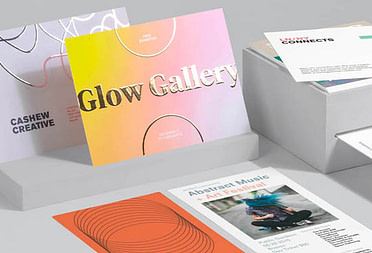
Balance your sales pitch with memorable print products for potential customers to take home and consider. Custom Postcards or Flyers can act as an extension of your conversations, the ones that didn’t quite make it over to signing on the dotted line.
How to network at a conference or trade show
Larger-format events have different dynamics: more people, more competition for attention, more structured programming. The core of the event is the same, but if you want to know how to network effectively, you might want to pack a few extra Business Cards, and consider bringing Brochures, Postcards, or other marketing materials to keep your brand memorable.
Your physical networking toolkit: the items that make you unforgettable
Networking isn’t just about what you say, it’s also about what you bring to the table (literally). From premium Business Cards to QR Code Cards and Name Tag Stickers, the right tools can help turn a quick introduction into a lasting connection.

Business Cards in a digital-first world
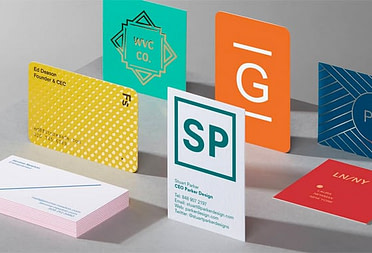
There’s no denying that digital tools like Instagram and LinkedIn can help you to network on a much larger scale. But we’d like to think that meeting in person can help you to build deeper connections, and exchanging personalized, high-quality Business Cards makes you more memorable than becoming just another ‘connection’ online. Get creative with different sizes, stand out with special finishes, and stay top-of-mind with tactile coatings that prospects can’t put down.
QR codes in print
Looking to make in-person connections that carry over to LinkedIn DMs? Bridge the gap between the physical and digital worlds with QR Code Business Cards. That way, you can stay memorable with premium print while still promoting your website, social media, or portfolio.
Name Tag Stickers
Hello, my name is Pro Networker! Whether you’re organizing a networking event or attending one, a custom-designed Name Tag Sticker goes a long way to making a good impression (and remembering all those names). Plus, people love stickers, even seasoned professionals.
Pro networking event checklist
If you love a good checklist (and we know we do), here’s a list of practical tools to take to your next networking event, so you don’t forget anything essential:
- At least 20 Business Cards, with more for longer or larger events
- A QR Code Business Card if your work is visual or digital
- Name Tag Sticker if the event doesn’t supply them
- Small Notebook to capture names and follow-up actions
- A clear reason for being there
The follow-up: where connections become real relationships
Arguably one of the most important tips for networking? It doesn’t end when the event does. The follow-up is where most opportunities are found, and where the biggest differentiators stand out.

Immediately after the event
As soon as you leave the event, write down whatever you remember about your new contacts, and identify which connections are worth following up with.
Within 24-48 hours
Send your new connections a personal message via email or LinkedIn referencing your conversation specifically. Generic “great to meet you” messages are forgotten, but getting specific makes people feel seen and valued. Or, if you want to really knock it out of the park, design personalized Postcards to send and write your note by hand.
Within 1-2 weeks
If the connection matters, schedule a follow-up call or casual sit-down within two weeks of meeting them. That way, you can spend some more time getting to know them and talking about your brand or dropping subtle hints about why you’d be the perfect fit for their company. Even if you don’t achieve your desired result, you may have just made a new friend.
Avoid these common networking mistakes
- Handing your Business Card to everyone you meet
- Sticking to generic small talk
- Spending the event glued to your phone
- Talking more than you listen
- Forgetting to follow up afterwards
- Focusing only on the most senior people in the room
Make your next networking event count
The best networking doesn’t come from memorizing clever icebreakers or handing out hundreds of business cards. It comes from being prepared, showing genuine interest in other people, and following up thoughtfully afterwards. With the right approach (and the right tools), you’ll leave every event with connections that last long after the conference ends.
Ready to make the most of your next networking event? Start with the print that gets remembered.
If you’d like to discover what MOO Business Services can do for you, fill out the form below and a member of our team will be in touch pronto.
FAQs
How do I start a conversation at a networking event as an introvert?
Start with a question that goes beyond the usual “What do you do?”. Asking what someone hopes to get out of the event, what they’re known for, or even acknowledging that networking feels awkward can open up a more genuine conversation. If starting from scratch feels daunting, use the buddy system and join an existing conversation.
What should I put on a business card for networking?
Include the essentials: your name, job title or business, and the best way to get in touch with you. If your work is visual or digital, a QR code can also link people to your website, portfolio, or social media. Keep the design clear, memorable, and recognizably yours.
What makes a business card memorable?
A memorable Business Card gives people something to notice, whether that’s a distinctive design, unusual size, special finish, or tactile coating. High-quality print can also make a quick introduction feel more personal and help you stay top-of-mind after the event.
Is it rude to hand out business cards at networking events?
Not necessarily, but handing your card to everyone you meet can feel more like a sales pitch than a conversation. Instead, focus on making a genuine connection and ask for their card when you’re interested in staying in touch. That gives the other person an easy way to decide whether they want to continue the conversation.
What’s the difference between Luxe and standard Business Cards?
Luxe Business Cards are made from four layers of Mohawk Superfine paper and are 32pt thick, compared with 16pt for MOO’s Original Business Cards. They’re uncoated, writable on both sides, and have a coloured seam, making them a more tactile, premium option.
Keep in touch
Get design inspiration, business tips and special offers straight to your inbox with our MOOsletter, out every two weeks.
Share the post
Keep in touch
Get design inspiration, business tips and special offers straight to your inbox with our MOOsletter, out every two weeks.