Rethinking sustainable design
How beauty and collaboration drive sustainable design forward.
-
 The MOO Team

Share the post


Sustainable design is everywhere, and yet it’s still often misunderstood. Is it about materials? Metrics? Minimalism? Or is it simply about doing less harm to the planet?
To kick off 2026, we sat down with our long-standing paper partner Mohawk for an open conversation about what sustainable design really looks like in the real world (beyond buzzwords, checklists, or material swaps).
Joining the discussion were Melissa Stevens, CMO at Mohawk; Gavin Gaynor, Head of R&D at Mohawk; Toby Hextall, Global Director of Product Design at MOO; and Luke Landers, Head of Sustainability at MOO. Together, we explored how sustainability shows up across every stage of a product’s life – from early design decisions and storytelling, to freight, packaging and what happens after a product is used.
Table of contents
- Design is where impact begins
- Why beauty is not the enemy
- Storytelling creates meaning
- Sustainability people don’t see
- Following the data
- Designing for what comes after
- Collaboration = progress
- Rethinking ‘premium’
- Progress (not perfection)
Key takeaways
Sustainable design is more than choosing better materials, it’s a system shaped by design decisions, beauty, performance, logistics, data, and collaboration. In this conversation between MOO and Mohawk, leaders from design, sustainability, and R&D explore how sustainable products are created in practice, from freight and packaging to storytelling, lifecycle data, and redefining what “premium” really means. The result? A clear case for sustainability as an ongoing, collaborative design journey – not a one-time solution.
Design is where impact begins
“Sustainability starts at the design phase,” said Toby, Global Director of Product Design at MOO. Citing the widely referenced idea that up to 80% of a product’s environmental impact is determined during design, he framed designers as long-term custodians rather than stylists.
Sustainable design isn’t just about swapping in recycled materials at the end of the process. “We have to ask more fundamental questions,” Toby explained. Do we need to make this? What purpose does it serve? How long will it live in the world?
For brands and designers alike, sustainability is inseparable from legacy. “I don’t think it’s easy to create a meaningful legacy today without weaving sustainability into it,” he said.
Why beauty isn’t the enemy
One of the strongest (and perhaps most counterintuitive) ideas to emerge from the discussion was the role of beauty in sustainability.
Gavin Gaynor, Head of R&D at Mohawk, pointed to a simple example: MOO’s distinctive Business Card boxes. “I don’t know anyone who’s ever received one who doesn’t still have it,” he said. “They’re so beautiful, I can’t bear to throw them away.”
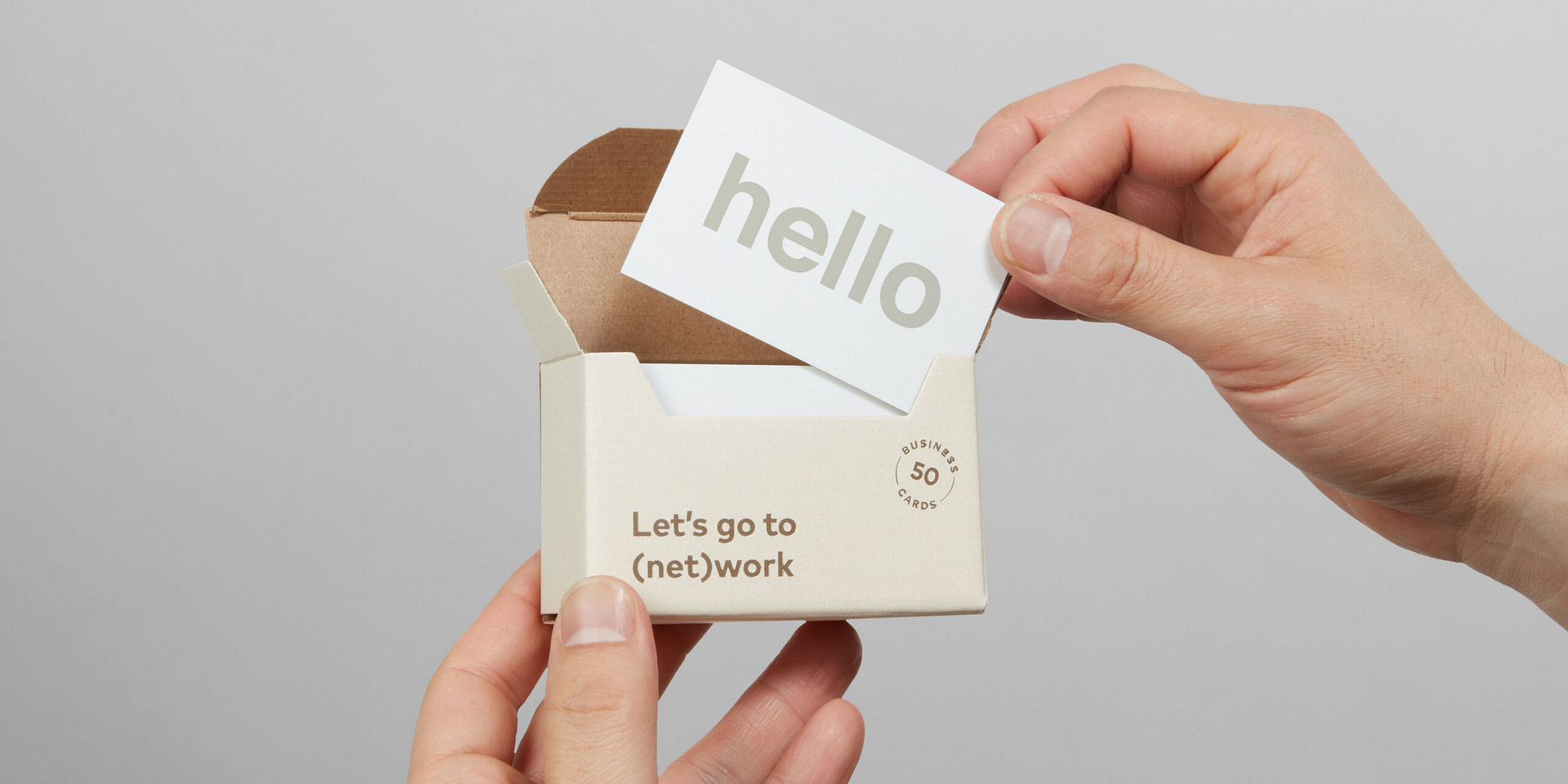
That emotional response matters. A product that’s cherished is more likely to be reused, repurposed, or kept, therefore extending its life far beyond its initial function. As Toby put it, “As soon as you don’t want to throw something away, you’ve created the right level of emotional connection.”
Luke Landers, Head of Sustainability at MOO, built on that idea from a lifecycle perspective. “If you can make something that’s designed to be loved, you’ll bring with it daily delight. Not only will it be treasured, the impact per use will be reduced every day.”
In this sense, beauty isn’t indulgent, it’s strategic. “Beautiful things are the ones that are taken forward into the future,” Toby added.
Storytelling creates meaning
This emotional connection becomes even more powerful when paired with storytelling. One example discussed was the cotton paper collaboration between MOO and Mohawk back in 2017, which is a material made from offcuts of fast-fashion t-shirts.
“Yes, it felt beautiful and tactile,” Toby said. “But people could also say, ‘This is made from 100% fashion waste.’ That makes it exponentially more valuable.”
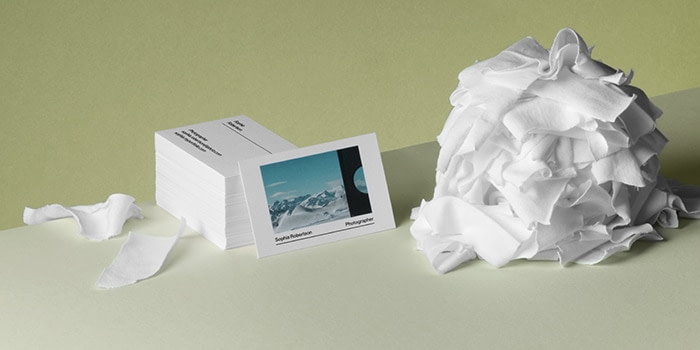
The story doesn’t just accompany the product, it multiplies its impact. “When you hand someone that card, they ask, ‘What is this?’” Gavin explained. “And now you tell the story. And it gets told again and again.”
Melissa, CMO at Mohawk, emphasized that storytelling carries responsibility. “We can’t assume the sustainability story is understood,” she said. “There’s a real need to educate and to explain what the material is, why it matters, and how customers are part of that journey.”
Sustainability people don’t see
While materials and storytelling often get the spotlight, some of the biggest sustainability levers sit quietly in the background.
“One small but often forgotten piece is freight,” Gavin said. “Product design can have a huge impact on transportation emissions.”
Design decisions around thickness, density, and packaging geometry all affect how efficiently products move through the supply chain. “It’s the weight-to-volume ratio,” Gavin noted. “Freight is often overlooked when we’re talking about sustainable design.”
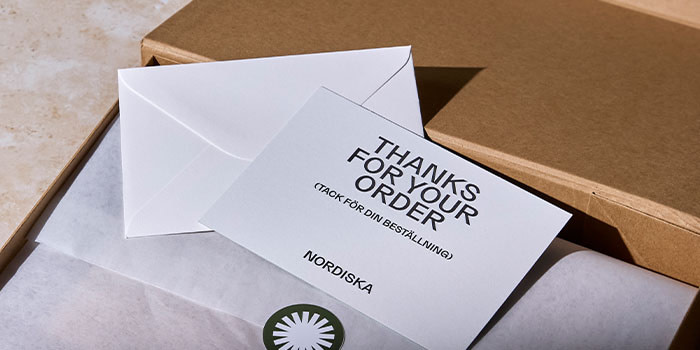
Packaging presents similar trade-offs. More protection often means more material – and more carbon. “Packaging has to be fit for purpose,” Gavin said. Paper must be protected from humidity to perform properly, but smaller packages increase waste, even when recycled.
“There’s no perfect answer,” he added. “There are only better-informed decisions.”
Following the data
As sustainability conversations mature, good intentions are no longer enough. “Show me the numbers,” has become the default expectation.
Luke Landers, Head of Sustainability at MOO, explained that lifecycle assessments (LCAs) are essential for building trust. “The report builds credibility,” he said. “The story builds connection. You need both.”
Mohawk’s LCA work delivered a surprising insight. “The largest part of our carbon footprint doesn’t come from raw materials,” Gavin revealed. “It comes from processing in the paper mill – specifically, drying the paper.”
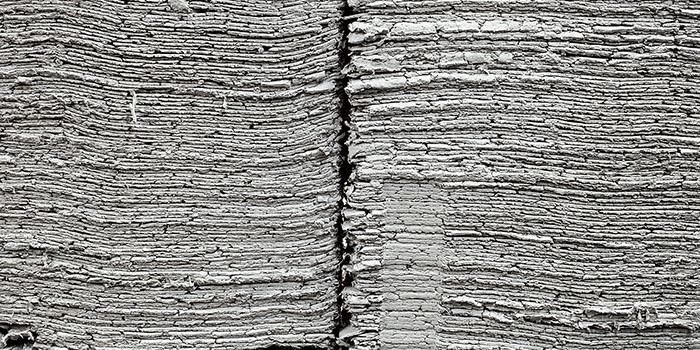
In fact, roughly 70% of the carbon footprint of certain paper products comes from the energy required to remove water. “It was eye-opening,” Gavin said. “You know you spend a lot on energy, but seeing it reflected in the product data changes your priorities.”
And once one issue is reduced, another takes its place. “If you bring one impact down from 70% to 10%,” Toby observed, “something else suddenly becomes the next 80%. That’s just the nature of progress.”
Designing for what comes after
Sustainability doesn’t end at the point of sale. What happens next – the afterlife of a product – matters just as much.
Sometimes that afterlife is emotional, like a box that’s too beautiful to throw away. Other times it’s practical and less visible. “Is it repulpable? Compostable? Biodegradable?” Gavin asked. “Those are three very different things, and they all affect sustainability in different ways.”

A compostable product only works if the right systems exist. A recyclable one only delivers impact if it’s easy to process and doesn’t contaminate the stream. Thinking through these outcomes means looking beyond the first use – and beyond aesthetics alone. The most sustainable products aren’t just designed to live well in the world, but to leave it responsibly too.
Collaboration = progress
Across the conversation, one theme surfaced repeatedly: none of this works without collaboration. Sustainable design doesn’t happen in isolation – it’s shaped by shared expertise, honest trade-offs and a willingness to solve problems together.
“None of this happens in a vacuum,” Melissa said. “It’s the collaboration – across disciplines, across partners – that makes progress possible.” When design, sustainability, operations and manufacturing sit at the same table, better questions get asked – and better outcomes follow.
For Luke, those partnerships have been transformative. “MOO’s sustainability journey has been massively supported by those long-term relationships with key partners such as Mohawk – that stability and shared mindset for improvement has literally put us years ahead of where we could have been.” It’s that consistency – working with partners who share both ambition and accountability – that turns sustainability from intention into momentum.
Rethinking ‘premium’
Sustainable design also challenges long-held assumptions about luxury.
“If premium only means the brightest, whitest paper,” Gavin said, “you eliminate a lot of sustainable materials.”
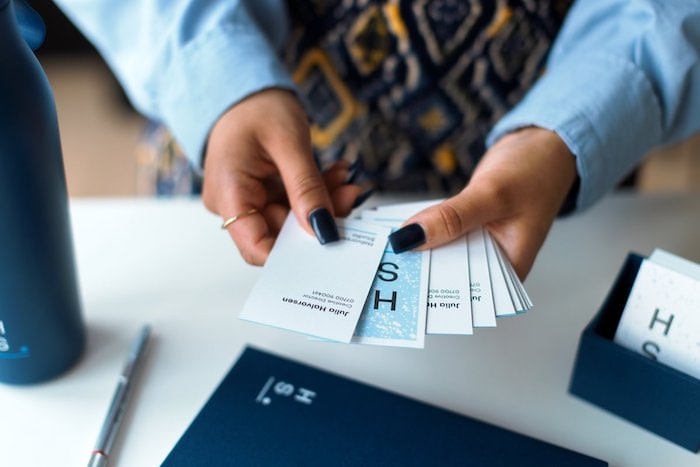
Not every material is right for every application – but every material has a place. Unbleached, textured, or unconventional fibers can feel just as intentional, desirable, and premium when matched thoughtfully to purpose.
As Toby put it, “Sustainability and good design are indistinguishable now. There’s no excuse for it not to look and feel premium – even if premium looks different than it used to.”
Progress (not perfection)
Perhaps the most important takeaway from this discussion is that sustainable design is not about flawless outcomes. It’s about momentum.
“It’s never one and done,” Toby said. “If it were, we’d have ticked the box already.”
Instead, sustainability keeps designers, manufacturers, and brands in motion – learning from data, embracing trade-offs, and collaborating toward better outcomes.
Sustainable design isn’t a destination. It’s a system. And when beauty, performance, data, and collaboration work together, that system starts to do what it was always meant to do: move us forward.
At MOO, we believe great design should do more than look good – it should be made thoughtfully, responsibly, and with its whole lifecycle in mind. We’re continuing to work with partners like Mohawk to push what sustainable design can be, and to help businesses create products that feel premium, perform beautifully, and are built to last.
Keep in touch
Get design inspiration, business tips and special offers straight to your inbox with our MOOsletter, out every two weeks.
Share the post
Keep in touch
Get design inspiration, business tips and special offers straight to your inbox with our MOOsletter, out every two weeks.


