We gave advertising to the robots. Here’s what happened
These AI ads were so bad that brands had to pull them. Here’s what went wrong.
-
 The MOO Team

Share the post


A smile that doesn’t reach the eyes. A hand with too many fingers. A facial expression that contorts into something not quite human.
It might sound like we’re talking about a scene from a horror movie. But nope, we’re talking about generative AI. At first glance, an image might look fine, but there’s a prickly gut reaction that tells you something’s off.
There’s a name for this: the uncanny valley. Coined by Japanese roboticist Masahiro Mori in 1970, it’s that eerie dip where almost human becomes deeply unsettling. As brands rush to embrace generative AI, they’re discovering that audiences can tell when the soul has left the building.
Key takeaways:
- The “uncanny valley” explains why AI content that’s almost human often feels unsettling.
- Major brands, including Google, McDonald’s, and Vogue, have faced backlash for AI campaigns that missed the mark.
- The issue isn’t AI itself; it’s when technology replaces authenticity.
- “Made by Humans” is becoming a trust signal, much like “organic” in food.
- Use AI, but be transparent.
A symphony of errors: Queensland Symphony Orchestra’s Facebook ad

Queensland Symphony Orchestra posted a Facebook ad encouraging people to try “something different” on a Saturday night.
It’s supposed to be an image of a couple having a romantic date at a concert. Instead, it’s a nightmarish tangle of too many fingers and musicians with no hands. Not to mention a random black box in the foreground of the image.
Here’s HOW Australia’s media and arts union responded on their Facebook page.
Outsourcing childhood: Google’s “Dear Sydney” Olympics ad
This ad shows a father using Google’s Gemini AI to help his daughter write a fan letter to Olympic athlete Sydney McLaughlin-Levrone. Instead of sitting down with his child and helping her find her words, he types a prompt into a chatbot.
A child’s fan letter is supposed to be heartfelt, with big, messy handwriting, phonetic spelling, and crossed-out words. Children learn to use language to articulate their thoughts and discover their inner voice, but now AI is eating into that formative experience.
The uncomfortable context is that 40% of fourth graders have “below basic” reading skills—the worst figures in two decades. So Google completely missed the mark with this one.
After heated backlash, Google pulled the ad mid-Olympics.
Too perfect to be real: Vogue’s AI models for Guess

At first glance, she looks like any other Guess model, but look again, and you’ll see something off.
In Vogue’s August 2025 issue, readers spotted a small disclaimer confirming what many had already sensed: the model wasn’t real. Created by AI agency Seraphinne Vallora, “Vivienne” sparked immediate backlash. Not because she looked grotesque, but because she looked too good.
TikTok erupted. Readers threatened to cancel subscriptions. In an industry already criticised for unattainable beauty standards, brands are now using AI to create women who literally don’t exist.
Festivities gone wrong: McDonald’s “Most Terrible Time of the Year”
Intended as dark comedy—showing Christmas going hilariously wrong—Netherlands McDonald’s AI-generated ad landed with a thud. Watch closely, and you’ll notice the tell-tale signs: characters who never quite make eye contact and family gatherings where nobody seems to actually see anyone else.
Viewers found the whole thing unsettling rather than funny. Within three days, McDonald’s pulled it entirely. Turns out the most terrible time of the year was the week they released it.
It’s not about being anti-AI. It’s about being pro-human
The common thread across these misfires is what the technology replaces. When we sense that a human hand didn’t guide the work, we lose the emotional anchor.
A 2025 survey found that 39% of consumers feel negatively about AI-generated advertising, while just 18% feel positive.
The issue isn’t AI. Its authenticity.
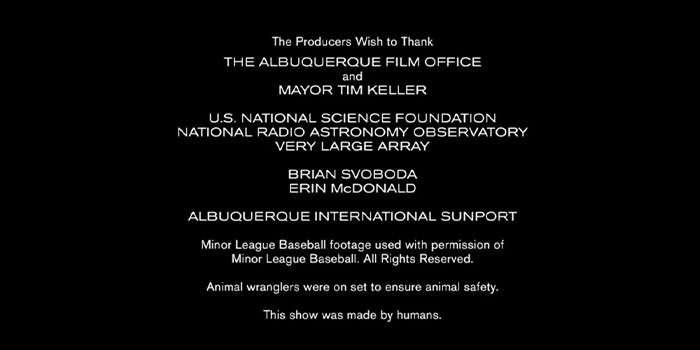
And brands are starting to catch on. Apple’s hit series Pluribus now includes “This show was made by humans” in its credits.
“Made by Humans” is becoming a trust signal, much like “organic” labels in food or “handmade” in craft.
As one branding analyst put it: “Don’t replace the human part people came for.'”
How to use AI without descending into the valley
- Start with human insight, not AI output. Do the thinking first. Then let technology accelerate your ideas.
- Keep the emotional moments human. AI can speed things up. But the moments designed to move people need a human pulse behind them.
- Be transparent. Audiences increasingly want to know what they’re looking at. Transparency is a mark of respect for your audience.
- Ask: Would this feel hollow if the audience knew? If the answer is yes, you’ve found your problem. The goal isn’t to hide AI use; it’s to use it in ways that don’t need to be hidden.
- Remember what you’re actually selling. How you present yourself matters. A Business Card handed over in person. A Notecard with a real message inside. These objects carry weight precisely because they’re tangible, intentional, human.
MOO offers real-world impact with human-centred design
In a world of AI-generated slop, the things we can touch carry more weight than ever. Discover Print that people actually want to hold onto and Branded merch that makes your brand unforgettable.
Keep in touch
Get design inspiration, business tips and special offers straight to your inbox with our MOOsletter, out every two weeks.
Share the post
Keep in touch
Get design inspiration, business tips and special offers straight to your inbox with our MOOsletter, out every two weeks.


