The AI loneliness epidemic (and how we’re tackling it)
Our survey reveals a link between AI use and workplace loneliness. Here’s what we’re doing about it.
-
 The MOO Team

Share the post


Artificial intelligence is changing the way we work, but what is it doing to the way we connect?
In a new survey* of 1,000 US knowledge workers, MOO uncovered a concerning truth: 84% of employees who are encouraged to use AI tools say they feel lonely at work. And of those who describe themselves as always lonely, 40% say their company culture feels stressful or overwhelming.
It’s clear that there’s a loneliness epidemic sweeping the workforce. But while the findings are stark, they’re also a call to action. Rather than resisting change, we’re choosing to meet it head-on, with curiosity, compassion, and intentional design.
What our survey found
Our research set out to explore how AI is changing the way we work and how we connect. What we found was eye-opening: while these tools offer speed and convenience, they may also quietly erode the human side of work.
“Cognitive outsourcing” is on the rise
More and more people are turning to tech before turning to each other. Our survey found that 65% of workers default to AI tools like ChatGPT or transcription bots before asking a colleague for help. Millennials lead the charge at 71%, compared to just 51% of Baby Boomers.

It might sound efficient, but something gets lost: those informal moments of collaboration, support, and shared insight that help people feel like they belong.
Frustration with AI reliance is growing
Not everyone’s on board with this shift. 28% of workers said they feel irritated by colleagues who rely on AI for everything. Among Millennials, that rises to 32%—proof that even digital natives still value organic interaction.
Gen Z is feeling it most
The emotional impact of this shift is sharpest among the youngest workers. Nearly 9 in 10 Gen Z employees say they feel isolated at work, followed closely by 82% of Millennials. This mix of disconnection, frustration, and uncertainty is shaping how people feel about their companies—and their careers.

What MOO is doing differently
At MOO, we’re embracing the benefits of AI and automation, but not at the expense of our people. Instead, we’re building a culture that supports both efficiency and emotional connection.
“Intentionality is really important,” says Claire Donald, Chief Product and Technology Officer at MOO. “Whether it’s the social connections you’re trying to create, or how your digital infrastructure supports the team, you have to design for connection. You can’t just replicate what you used to do in the office and expect it to work the same way now.”
Here’s how that looks in practice:
1. Thoughtful onboarding with a human touch
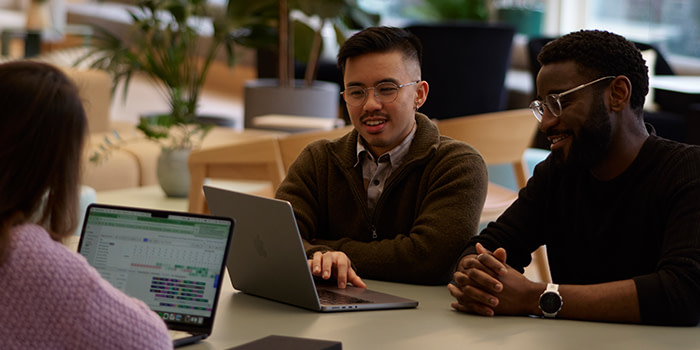
Across the workforce, onboarding is falling short. Our survey found that only 28% of workers were assigned a buddy or mentor when they joined, and just over half felt they were properly onboarded at all.
MOO believes that the employee experience starts on day one. That’s why we pair every new starter with an onboarding buddy (someone other than their manager) who can guide them through the practical and all-important cultural contexts.
“Setting the tone right from the start is very important,” says Claire. “You’ll start to set some cultural norms, such as turning on your camera, what the pattern is for coming into the office, when we have free lunches, and more.”
It’s a small act, but one with a significant emotional impact. By building a connection into the onboarding experience, we make it clear from day one that you’re here to be part of something.
2. Showing up together
76% of workers say their productivity for deep work is more effective in the office than at home. So we’ve built spaces where people can thrive: intentionally zoned with community lunch tables, grouped desks for social working, and quiet nooks upstairs for deep focus. Whether dropping in to get your head down or bouncing ideas off a teammate, the space flexes to meet the individual’s needs.

We want every visit to the office to feel like something worth showing up for, whether that be a free lunch, summer party, or gathering the team for a product launch photo shoot.
3. Making hybrid work work
With teams in London and East Providence, MOO is proudly hybrid, and we design for it. Our offices are places of purpose, somewhere teams can come for collaboration, connection, and camaraderie.
We’ve even created what we call the “magic window”: a video feed linking our two offices with no sound, just visibility. Employees wave, hold up notes, or drop casual messages on whiteboards. It’s a fun reminder that even though we’re miles apart, we’re all part of the same team.
Where MOO stands on AI and workplace culture
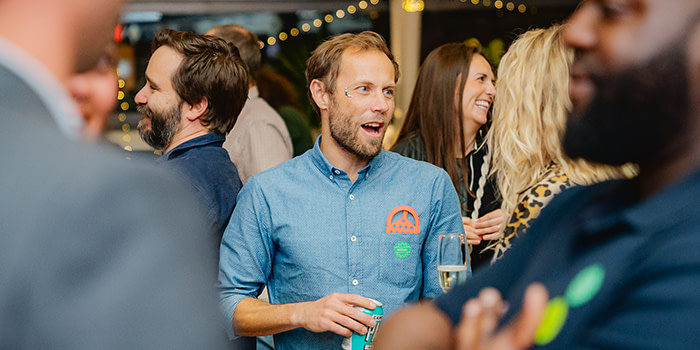
AI isn’t the villain. Used well, it boosts creativity, saves time, and handles the boring bits. But when it replaces too many human moments, we lose something vital.
The needs of employees haven’t changed. People still want to feel seen. Heard. Valued. Part of a team.
Our research also shows that physical tools still have a place. 51% of employees said they prefer sticky notes, and 48% reach for handwritten Journals—almost on par with the 43% who use AI assistants.
It’s not about going backwards. And at MOO, we’re building a future where tech and creativity work hand in hand, without losing the human touch.
“AI is transforming the way we work and increasing automation,” says Richard Moross, MOO Founder and CEO. “But it’s connection, creativity, and culture that remain at the heart of thriving organisations. As companies adopt new tools, they must also prioritise human interaction—those day-to-day meetings and opportunities to collaborate that foster a sense of belonging and spark innovation across teams.”
* The research was conducted by Censuswide, among a sample of 1,000 US Knowledge workers (Aged 18+). The data was collected between 08.05.2025 – 15.05.2025. Censuswide abides by and employs members of the Market Research Society and follows the MRS code of conduct and ESOMAR principles. Censuswide is also a member of the British Polling Council.
Keep in touch
Get design inspiration, business tips and special offers straight to your inbox with our MOOsletter, out every two weeks.
Share the post
Keep in touch
Get design inspiration, business tips and special offers straight to your inbox with our MOOsletter, out every two weeks.


