Keep it reel: how to use influencer marketing authentically
Influencer marketing doesn’t have to be icky. Here’s why.
-
 The MOO Team

Share the post


Influencing has become a catch-all term for everything from beautifully crafted videos to questionable online takes. Private jets and para-social relationships.
Behind the noise is something much more useful: people showing products in real life, to audiences who trust them. And when it’s done well, it works, especially for brands that make physical things.
It’s a big business, too. Influencer marketing is now a $24 Billion industry and nearly half of consumers say they have bought a product after seeing it endorsed by a creator.
The key thing is keeping it real. 88% of consumers say that authenticity is a big deal to them, and it can be lost easily.
Influencer marketing gives you a chance to give your customers authenticity. Here’s our take on the topic.
Key Takeaways:
- Influencers can help solve the try-it-out problem
- Avoid inauthenticity at all costs
- Show real life use
- Bring unboxing experiences to life
- Share the process
Solving the try-it-out problem
As retail has moved online, businesses that sell physical products face a big, obvious challenge: people can’t touch your products before buying.
Thirty years ago, we might have seen an ad, then visited a store, picked something up, tried it on, and asked for a second opinion. Now, it’s a shorter journey: we see, we order, we own. And it leaves a gap between expectation and reality.
Influencers help close that gap by showing products being used in everyday life. They make things feel more tangible and easier to trust.
Why it goes wrong
There have been plenty of high-profile examples of influencer marketing going wrong for both brands and creators. Often, when it does backfire, it’s because there’s some level of inauthenticity in the partnership. The match of influencer and brand isn’t a natural fit. The product feels disconnected from the creator’s content or audience. Or, worse, the promotion isn’t clearly labelled, blurring the line between recommendation and ad.
Audiences understand that creators work with brands. It can often be received positively. But they are hyper-vigilant for inauthenticity and credibility. And when it doesn’t ring true, it doesn’t work.
Here are some brands that do it well.
Brands that are nailing influencer marketing
Gymshark: standing out from the fitness crowd
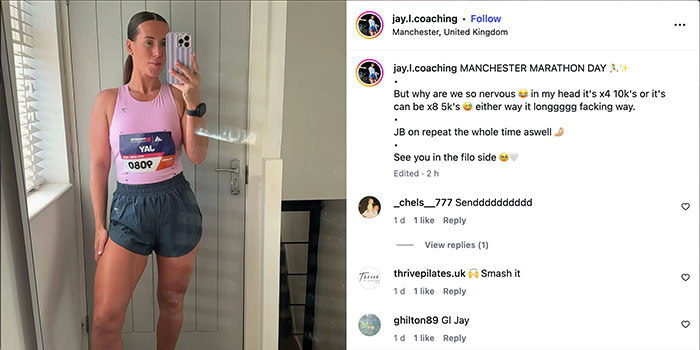
Gymshark built its brand with creators, not just elite athletes. They focused on people who genuinely used their products and shared their routines online.
That decision paid off. The content felt relatable and grounded in real life. Gymshark grew from a garage in the UK into becoming a global brand with customers in over 180 countries.
Dove: blending influencer and traditional content

It’s not just up-and-comers who are finding success with influencer marketing. Dove shows how influencer marketing can work alongside more traditional channels. Campaigns like #ShareTheFirst bring creator-led content into out-of-home placements.
It’s a joined-up approach. Influencer content doesn’t have to be a replacement for traditional marketing. It strengthens it.
Camp Snap: demonstrating products with user-generated content
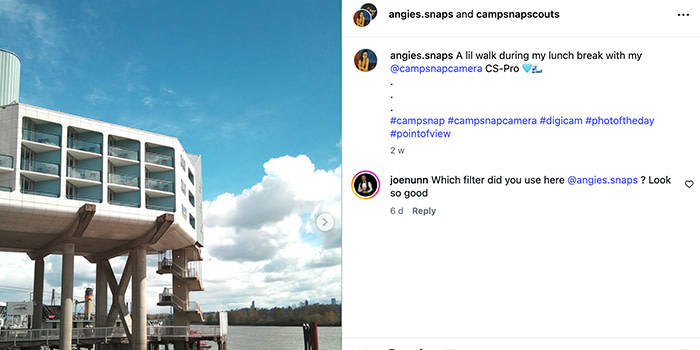
Camp Snap make digital cameras that recreate the feel of disposable film. Instead of relying on brand photography, they share images taken by their own customers through @campsnapscouts.
It works because it shows real results to enormous audiences – without a huge marketing budget.
Stanley: Going viral in unexpected places
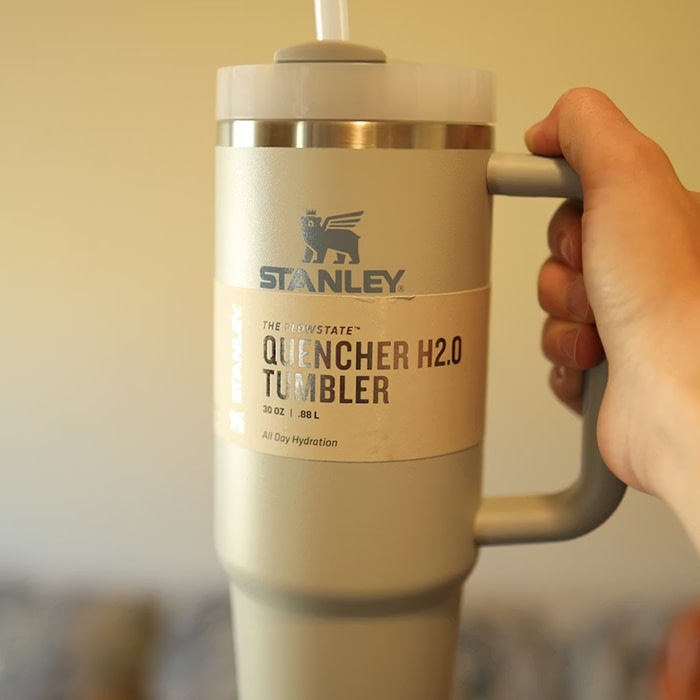
Stanley spent most of its history as a practical, functional brand. Influencer content changed that. The Stanley Quencher took off through lifestyle creators and “momfluencers” on TikTok and Instagram.
The result was huge demand, repeated sell-outs, and a completely new audience.
How we do it at MOO
Our products are all about tangibility and quality. We’ve found working with content creators a great way to share what they actually feel like. The key is choosing the right people and keeping the content honest.
Here are three things we’ve learned:
1. Team up with creators with a natural affinity for your brand
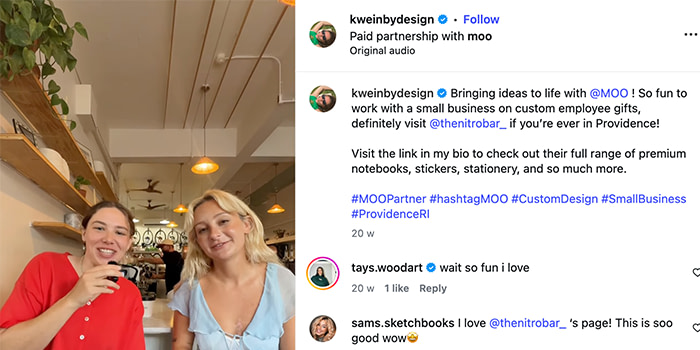
The best ambassadors for your brand are the people who would be likely to use it anyway. Kate is an illustrator and designer who creates beautiful things for her clients in real life – so she was a natural fit for us. By sharing how she uses MOO with her audience, she creates content that feels less like an ad and more like a genuinely interesting, authentic snapshot of her creative practice.
2. Offer creative inspiration and ideas
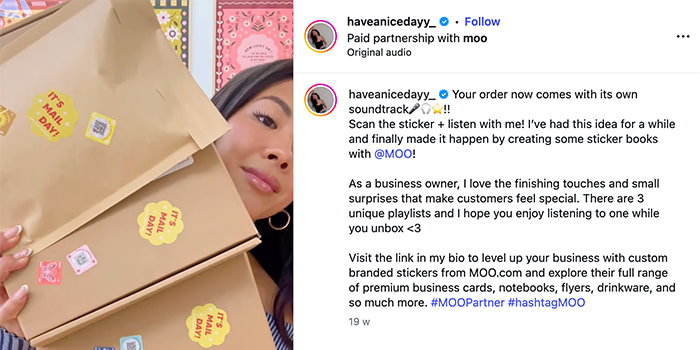
Influencer marketing works best when you’re offering something, as well as advertising something. Steffi shared creative unboxing ideas using our stickers – with QR codes that linked to playlists for her customers to listen to. It went down well with her audience because it was generous and useful, not just demonstrating our products.
3. Share the process
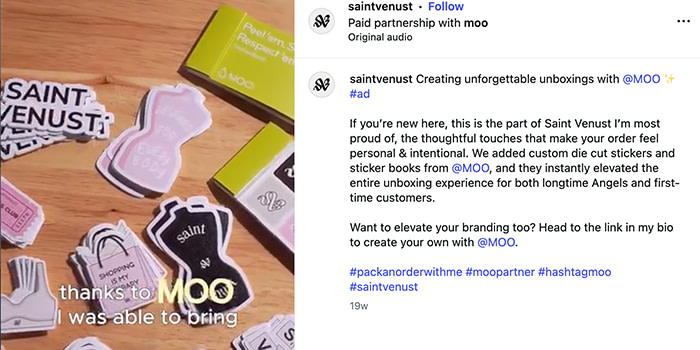
It’s not just about the finished product. Vanessa walks her audience through her design process for our Stickers, which adds depth and offers value to other founders, with genuinely helpful tips and advice for other business owners.
Ready for your Influencer marketing era?
Our Stickers, Business Cards and Branded Merchandise can help you bridge the gap between physical and digital.
Or, if you’d like a human to help you work it all out, that’s what MOO Business Services is for. To get started,fill in this simple form, and one of our team members will be in touch
Keep in touch
Get design inspiration, business tips and special offers straight to your inbox with our MOOsletter, out every two weeks.
Share the post
Keep in touch
Get design inspiration, business tips and special offers straight to your inbox with our MOOsletter, out every two weeks.


