How to introduce a rebranding rollout plan
Let’s face it, rebrands are stressful and scary. Our rebrand rollout plan is here to change that.
-
 The MOO Team

Share the post


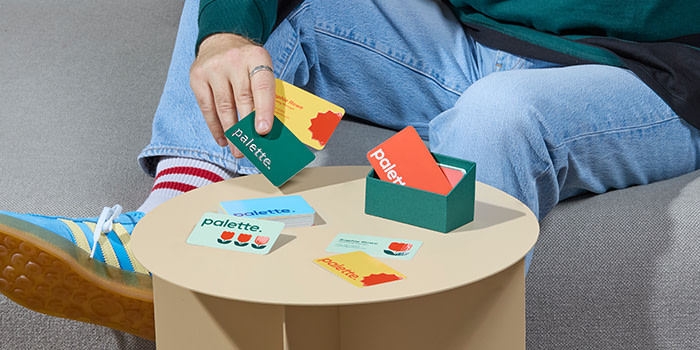
Rebranding is exciting. It’s also a little nerve-wracking.
You’ve done the research, sharpened the messaging, refreshed your Business Cards and debated more shades of blue than should legally be allowed. Now comes the big reveal.
The stress and anxiety creeping in? Completely valid. After all the work you’ve put into the rebrand, the reveal is often the scariest part. To ease some of that stress, here’s how to introduce your rebranding rollout planto customers and employees.
Table of contents
- How to launch a rebrand
- Brand launch checklist
- Reimagining your brand’s physical touchpoints
- Rebranding explained series
Key takeaways
- Brand launch checklists are an integral part of rebranding.
- Employees are just as important as your customers, so making sure they’re on board and aware of the rebrand is key.
- Teasing the rebrand to loyal customers before the official launch can build momentum and hype.
- Transparency should be prioritized throughout the entire rebrand rollout.
- Physical touchpoints matter. Stickers, Notecards, Business Cards and Letterheads can help your rebrand feel real.
How to launch a rebrand
You’ve been through the research phase, you’ve hashed out a fantastic new visual identity and messaging strategy, and you’ve worked out the logistics of putting your new brand everywhere it needs to be. You’re finally ready to show your rebooted brand off to the world. So what’s the best way to go about it? Tick all the boxes with our brand launch checklist below.
Brand launch checklist
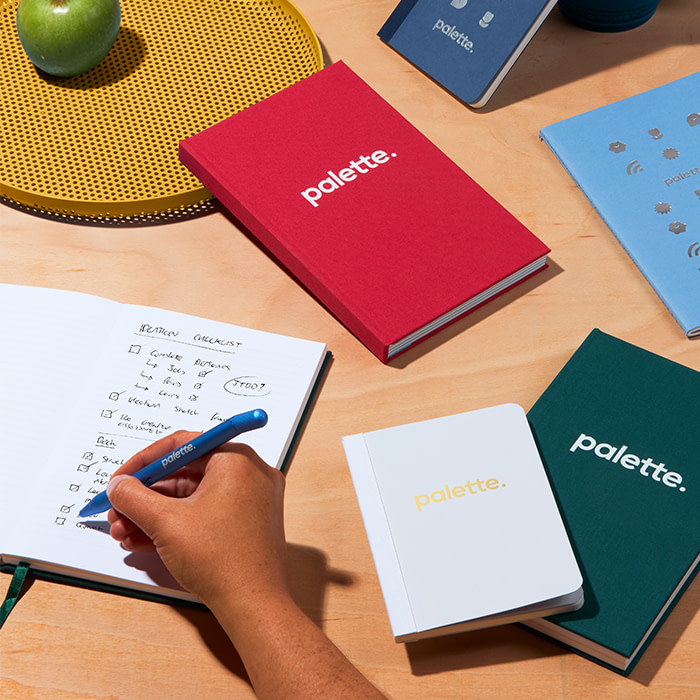
Phase 1: Internal
A successful rebrand rollout starts with the people who work with your brand every day – your employees. They need to be on board with the story behind the rebrand, from the reasons behind it to the details of your new messaging and brand values.
When employees get it, customers can feel it. That’s why your internal brand launch is key. Here are some tools and techniques for the rebranding implementation within your business and how to announce your rebrand.
- Get senior buy-in. Business leaders should be whole-heartedly behind any rebrand. But they can do more than just support it behind the scenes. Enlist senior leaders to promote the rebrand to staff by making statements, sharing blog posts and internal updates, or directly addressing staff at a whole-company meeting. A clear vote of confidence from the top helps employees understand that this isn’t “just a marketing thing”. It’s a business move.
- Head off uncertainty with clear communication. A rebrand can make people wonder what else is changing. New look, new strategy, new structure? New worries? Not ideal. Be honest about why the rebrand is happening – even if it’s not a completely positive one. Make sure there’s a clear route for people to have their concerns addressed on a one-to-one basis, whether that’s via someone in HR or their team leader.
- Host workshops or launch sessions. Need rebrand launch ideas? Dedicate time and space to communicating the rebrand to your employees. A team away-day can be a great opportunity to announce the rebrand and walk staff through the different elements of it, explain how they fit into the roll-out plan, and answer any questions they have in a small group setting. A rebrand workshop in-house can be just as effective, but takes up less time and budget.
- Explain the business case. As well as telling staff what’s happening and what they need to do, include some background to the rebrand strategy, like market research and quotes from customer feedback that shows why a rebrand was needed. Understanding how the rebrand fits into the company’s wider journey will help employees embrace the decision and make them better able to communicate it to customers and other stakeholders.
Phase 2: Soft launch

Your team is briefed and your new brand is embedded within your business, which means it’s time for phase two – going public.
Here’s how to announce a rebrand to your customers with some strategies to help your public rebrand marketing go as smooth as possible.
- Build excitement with teasers. In the run-up to rebrand launch day, let your loyal customers and followers in on some of the excitement by teasing the big changeover with emails and social media posts. You don’t need to give everything away. In fact, please don’t. A little suspense is your friend. You can also use imagery and video to offer behind-the-scenes hints of the rebrand rollout preparation while it’s underway.
- Engage the media. PR can be one of the most effective parts of your rebrand marketing strategy. A rebrand makes for an interesting news story, so help the press make the most of it by being proactive with your outreach. Issue press releases for the rebrand announcement, and have comments ready to share for publication. It’s also a good idea to have someone lined up to do interviews if requested – it could be the brand founder, head of marketing or someone on your creative team to support the rebrand rollout. You can loop in your rebranding agency, if you worked with one, to add their quotes and share the PR benefits.
- Show brand ambassadors love. Your most loyal customers are already rooting for you. Let them in on the excitement early. Brand ambassadors can be fantastic allies in spreading the word about your rebrand, and you can encourage them to do that by giving them an early update on the news. Or how about incentivizing them to talk about it by providing a discount or referral code to share with their friends?
- Have lots of answers to customer questions. If there’s one thing you can count on, it’s that a rebrand will spark lots of customer questions. Have your customer service team briefed and ready to field lots of enquiries about the rebrand and what exactly is changing. You can also prepare an FAQ article or video for your website and share links to it in your promotional posts, emails and ads.
- Tell your rebrand story. Behind every rebranding process is a story about a business. What made you want to rebrand, how you went about doing it, and what your hopes are for the future now it’s done. On a more detailed level, what stories can you tell about the design of the logo, or how the new name was developed? Storytelling is a powerful way to market your business, as it adds a human element to the news and gets people engaged with you on an emotional level. Use the stories of your rebrand to add punch to your email marketing, social media and even above-the-line advertising if it’s the right fit for you.
Phase 3: The Public Reveal
You may be full of excitement about your rebrand and looking forward to showing it to the world. But for your launch to be successful, it’s essential to be prepared for a range of reactions from your customers. Humans are programmed to be wary of change, so it’s almost guaranteed that some people won’t embrace your rebrand with open arms – even though the decision was the right one.
Here are some tips to help offset any worries or complaints about your rebrand.
- Make your launch quick and decisive. Change everything at once, rather than phasing in changes. This will help your customers adjust to the new identity and minimize any confusion or sense of disruption caused by the change.
- Transparency is key. Provide a rationale for the rebrand, so that people who might have preferred the old brand know that the change is happening for a good reason and doesn’t reflect a lack of consistency in your business.
- Explain their role. Let customers know if there’s anything they need to do as a result of the rebrand announcement – for example, to follow a new social media account or change their login details. Or even better, reassure them that they won’t need to lift a finger as you’ve taken care of everything for them.
- Invite feedback. Customer feedback, good and bad, is really valuable after a rebrand. It can help you gauge how successful the rebrand has been and whether your original rationale for rebranding was correct. It also builds trust with customers who will feel they are being heard and their views are important to you.
Reimagining your brand’s physical touchpoints
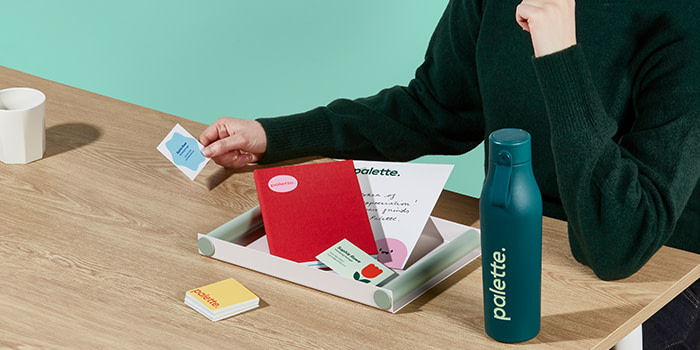
A rebrand would not be complete without updating your Marketing Materials, too. This not only ensures cohesiveness, but also reinforces brand credibility and trust.
Here are some essential rollout assets for your rebrand.
- Revamp your marketing material. Take stock of the relevant marketing material that should be redesigned, tweaked or improved for the rebranding rollout. Stickers and labels are a great way to update existing packaging and signage, while they’re also a tangible way for customers to experience the rebrand. Shifting the business’s Letterheads and Notecards to showcase the rebrand will also create momentum and engagement from customers.
- Update your business cards. Don’t underestimate the power of a Business Card rebrand. Making sure your Business Cards reflect the rebrand rollout is not an option, but a necessity. Whether you’re looking to shift to something more Luxe, sustainable, incredibly strong, or maybe you’d just like to explore some iconic special finishes like Gold Foil, Silver Foil or even Letterpress, we’ve got you covered!
Rebranding explained
This article is part of our rebranding guide series. For more tips and rebrand rollout examples, check out The rebranding process and How to work out when it’s time to rebrand.
Looking for some creative branding inspiration? Take a look at our guide to choosing your brand colors.
And if you need support updating your print and merch, just fill in our form below and we’ll be in touch.
Keep in touch
Get design inspiration, business tips and special offers straight to your inbox with our MOOsletter, out every two weeks.
Share the post
Keep in touch
Get design inspiration, business tips and special offers straight to your inbox with our MOOsletter, out every two weeks.


