Pop it like it’s hot: the brand guide to summer pop-ups
Stop scrolling. Start popping up.
-
 The MOO Team

Share the post


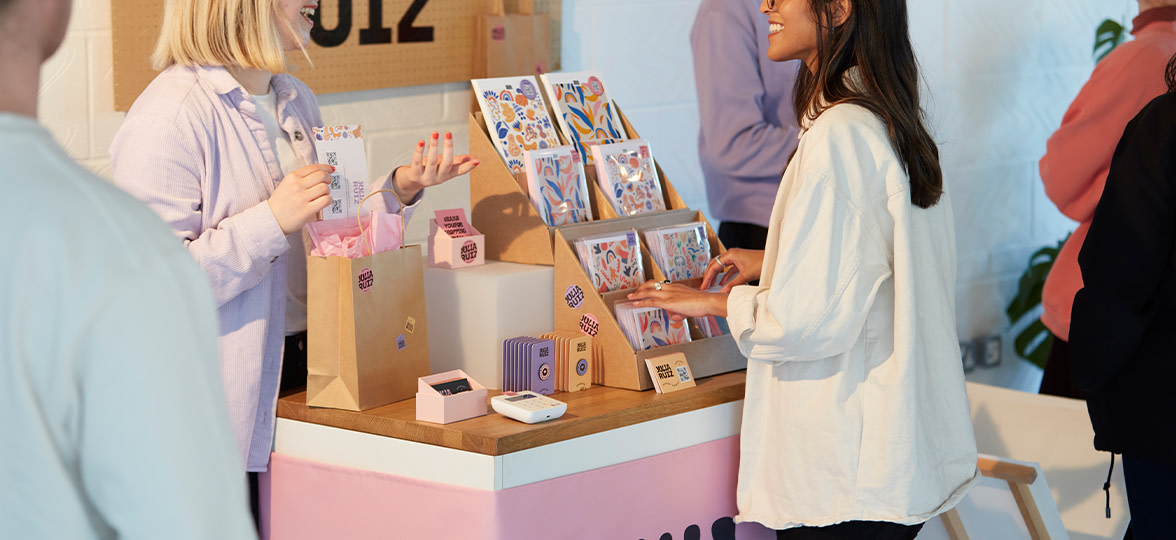
It’s summer, which means brands are popping up everywhere. On main streets and rooftops, in parking lots and courtyards, in the corner of someone else’s store, or right outside your local farmers’ market. Welcome to the weird, wonderful world of brand pop-ups, where the only rule is that there are no rules.
It’s summer, which means brands are popping up everywhere. On main streets and rooftops, in parking lots and courtyards, in the corner of someone else’s store, or right outside your local farmers’ market. Welcome to the weird, wonderful world of brand pop-ups, where the only rule is that there are no rules.
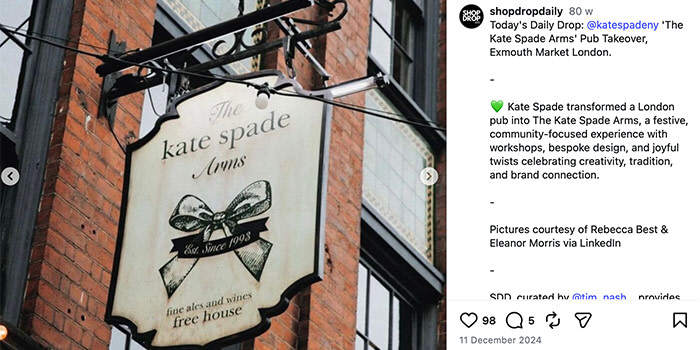
Kate Spade took over a London pub, complete with hand-painted signs, a brass band, and branded pub games. Louis Vuitton turned a Miami hotel’s poolside, dock, and terraces into a tangerine and fuchsia fever dream.
If you haven’t considered taking your brand off-screen and into the real world yet, this is your sign. Here’s everything you need to know about popping up this summer.
Customers LOVE pop-ups
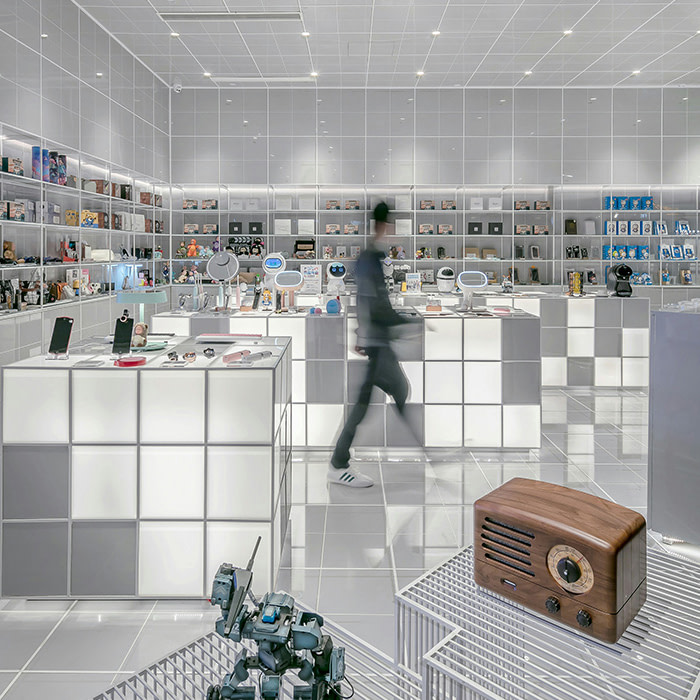
Seriously, they’re having a moment. Temporary retail and pop-up revenue in the US reached $15.6 billion in 2025. 61% of consumers have visited a pop-up shop, and 59% say they’d make a special trip to visit one. Studies show a pop-up event can boost sales revenue by 35%
What even is a brand pop-up?
Unlike a permanent retail space, a pop-up is temporary by design. No leases or long-term commitments. Just your brand, a cool space, and an audience who are already primed. Pop-ups can last a single afternoon or run for several weeks.
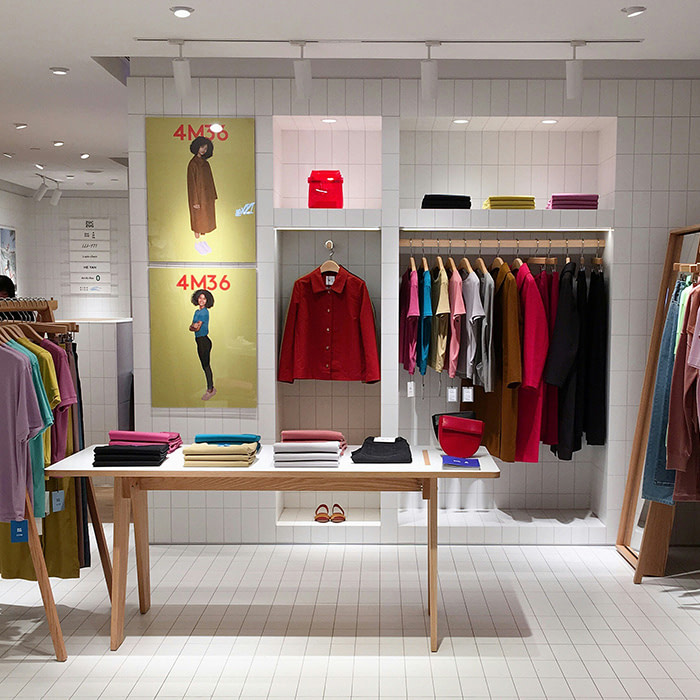
For emerging brands, a pop-up is a chance to prove the concept without the overhead of a permanent space. The barrier to entry can be surprisingly low, with 44% of pop-up shops costing less than $5,000 to open.
For established brands, it’s an opportunity to surprise and delight, and remind your audience what you stand for.
Five ways to pop-up:
Not all pop-ups look the same. It comes down to your brand, your budget, and your purpose. Here are the five most common formats:
1. Retail pop-ups: Take your product to new places and straight to your customers. Great for testing demand, launching a collection or reaching people in a new city.
2. Experiential pop-ups: Skip the hard sell entirely. Tastings, installations, workshops, and live demos all create an immersive and unforgettable experience.
3. Collaborative pop-ups mean sharing the space with another brand. Pick the right partner, and you’re not just sharing costs, you’re sharing audiences.
4. Event pop-ups: Piggyback on an existing moment like a festival, trade show, or conference with built-in footfall.
5. Digital-to-physical pop-ups bring an online brand into the real world for the first time.
Why pop-ups work
Here are a few of the reasons why people can’t get enough of pop-ups:
IRL beats digital
In a sea of samey content and skippable ads, pop-ups bring that physical presence. 91% of consumers feel more positively about a brand after attending one of their events, and 88% of marketers call in-person events a key revenue driver. Get in the room. That’s where the good stuff happens.
Gives people FOMO
They’re also incredibly effective because they’re built on scarcity. Literally here today and gone tomorrow. Limited-time offers can boost sales by over 300%, and 60% of millennials will make a purchase within 24 hours of feeling FOMO. Nothing sells quite like nearly missing out.
Makes the experience real
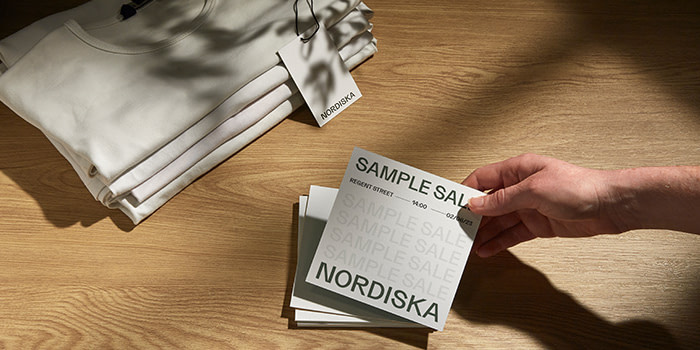
Nothing beats holding a product in your hands, trying it on, or seeing it with your own eyes rather than a product photo. 70% of people become regular customers after an experiential marketing event. That’s how browsers become buyers, and buyers become regulars.
When’s the best time to pop up?
Summer is peak season for a reason. People are out, they’re spending, and there’s general good vibes all round. But honestly, the best time to pop up is whenever you’ve got something worth showing up for.
Like when you’re launching a new product or collection, entering a new market or city, reconnecting with your existing audience, or building buzz ahead of a bigger moment.
How to make it a success
Get your Notepads at the ready. Here’s everything you need to make your pop-up actually pop.
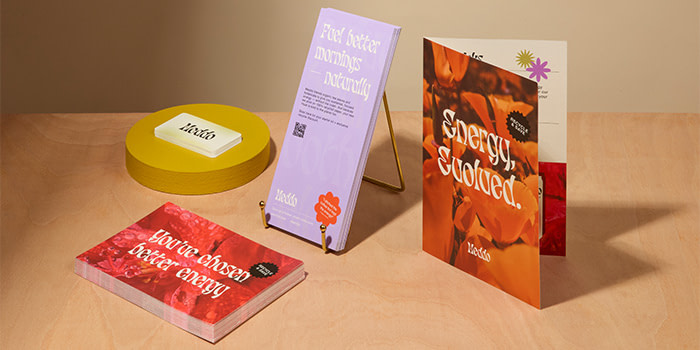
Printed marketing materials do the heavy lifting. Flyers give people something to take away, even if they don’t buy on the day. Brochures let you go deeper into your story. Stickers are low-cost and high-delight.
Business Cards are non-negotiable. A pop-up is a networking opportunity as much as a sales one, and showing up in person opens doors. Make sure people can find you again.
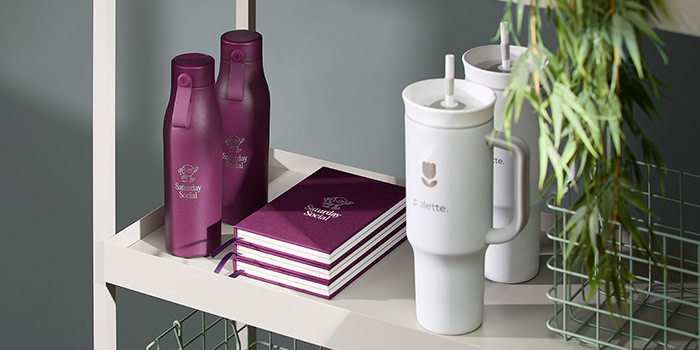
Branded Merch turns visitors into walking billboards. Think a stylish Notebook, a slick Pen with your logo, and premium Drinkware they’ll love to use.
Signage and environmental branding do the talking before anyone’s picked up a single thing. Your visual identity needs to travel from screen to space.
The experience is just as important as the setup. A free gift, a fun photo moment, a small giveaway are all little things that give people a reason to linger, and a reason to post. 56% of people say seeing others at an event makes them want to show up next time, which means every photo from your pop-up is free marketing for the next one.
The crowd matters as much as the setup. Invite local press, a few micro-influencers, the people who already love what you do. The right faces in the room create buzz no ad spend can buy.
Showing up beautifully is kind of our whole thing. Explore our range of Marketing Materials and Branded Merch and get your brand ready to POP.
Keep in touch
Get design inspiration, business tips and special offers straight to your inbox with our MOOsletter, out every two weeks.
Share the post
Keep in touch
Get design inspiration, business tips and special offers straight to your inbox with our MOOsletter, out every two weeks.


