The pride campaigns we keep coming back to
The good, the genuine, and the brands putting their money where their rainbow is.
-
 The MOO Team

Share the post


June arrives, and like clockwork, the logos go rainbow. Limited-edition packaging shows up in the colors of the Pride flag. Brands post captions about love being love, and then on July 1st, everything goes back to normal. The rainbow disappears. The commitment, apparently, was seasonal.
People have a word for this: pinkwashing. It’s a form of virtue signaling, the practice of making public gestures that signal good values without any of the substance to back them up.
A limited-edition product with no community partner. A caption about inclusivity from a brand whose internal policies tell a different story. The performance of allyship, rather than the thing itself.
And audiences are paying attention. The LGBTQ+ community and its allies represent an estimated $1.4 trillion in US spending power. They are among the most influential consumer segments across major categories loyal to brands that earn it, and quick to walk away from brands that don’t.
So what does meaningful Pride marketing look like? We spoke to MOO’s JEDI team, that’s Justice, Equality, Diversity and Inclusion, about the Pride campaigns they keep coming back to. The ones with real community partners, money that goes somewhere useful, and a commitment that lasts beyond June.
Key takeaways
- 64% of consumers believe corporate Pride efforts are mostly performative.
- Pinkwashing isn’t always cynical; sometimes it’s just thoughtless. Either way, audiences notice.
- The best Pride campaigns have three things in common: a real community partner, money that goes somewhere, and a presence beyond Pride month.
- The LGBTQ+ community represents $1.4 trillion in US spending power. They are loyal to brands that earn it, and quick to walk away from brands that don’t.
- 55% of non-LGBTQ+ adults say brands should support the community all year, not just during Pride month.
Pride marketing campaigns that mean it
A 2024 survey of over 4,000 US adults found that 64% believe corporate Pride efforts are mostly performative, rather than meaningful. And almost a third said pinkwashing was the single worst mistake a brand could make during Pride
When H&M launched their “Love for All” Pride collection, some of the range was manufactured in Bangladesh, where homosexuality is punishable by life imprisonment. Printing the word Pride on a t-shirt, while the person sewing it couldn’t safely wear it in the street. That’s pinkwashing in its most literal form.
The campaigns that cut through tend to have a few things in common: a real community partner, money that goes somewhere, and a campaign that could credibly exist outside of June. Here are six campaigns we keep coming back to:
Aesop: The Queer Library
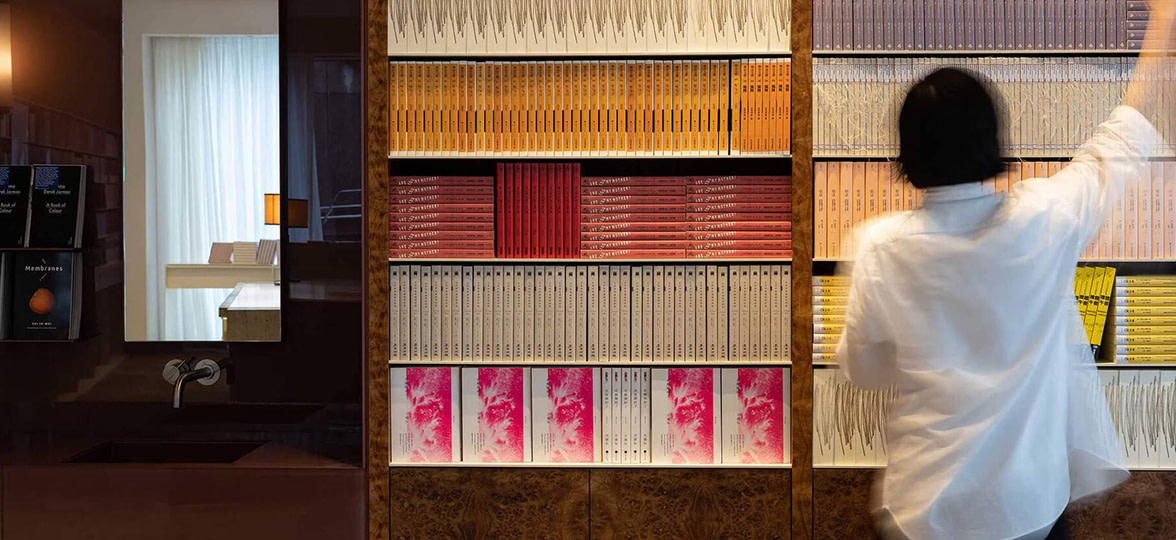
Every year during Pride, Aesop does something that sounds almost radical by corporate standards: it clears out all of its products. Skincare, out. Books, in.
Selected stores around the world are transformed into pop-up queer libraries stocked with titles by LGBTQIA+ authors and allies. Every visitor can take one home for free.
Now in its fifth year, Aesop’s Queer Library has shown up in New York, LA, London, Toronto, Sydney, Berlin, and beyond. Books are curated with queer organizations and independent LGBTQ+ bookshops. The Aesop Foundation also supports All Out, a year-round global LGBTQ+ rights movement.
What makes it stick: The product disappears, and the community becomes the whole point.
Dr Martens: Pride Generations
Dr. Martens has a long history with the LGBTQ+ community. Docs have been part of queer culture for decades, worn at protests, on dancefloors, at the front lines of movements.
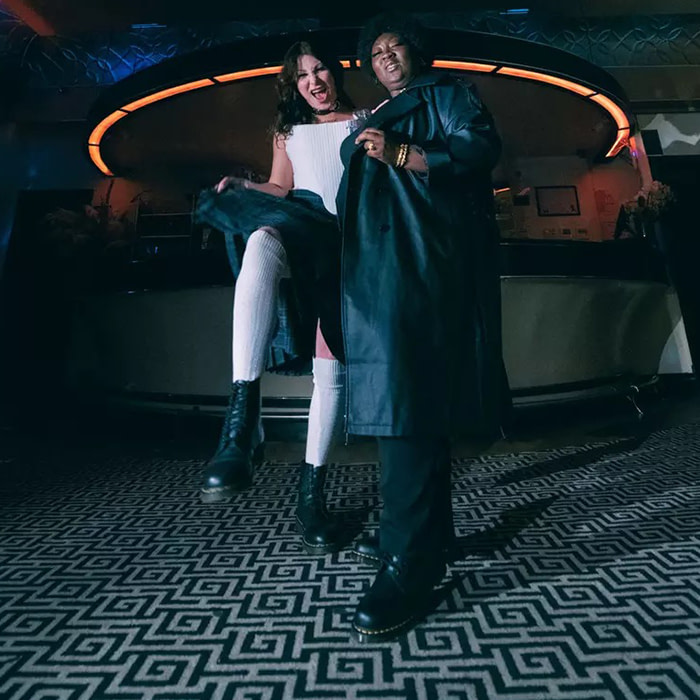
Their multi-year partnership with The Trevor Project — the world’s largest suicide prevention and crisis intervention organization for LGBTQ+ youth — has totaled over $200,000 in donations, with charity partners in every market that sells the Pride collection.
Their Pride Generations campaign features short films featuring queer people across generations, with storytelling at the center. Minimal branding, maximum story. They handed their platform over instead of just borrowing the moment.
What makes it stick: Authenticity isn’t something you can brief in. For Dr. Martens, it was already stitched into the leather.
Lush: Liberation bath bomb
When political pressure on trans rights intensified in 2025, Lush didn’t go quiet. They launched a campaign across more than 100 stores: vibrant window displays, free educational booklets, and a Liberation bath bomb striped in the colors of the trans flag. 75% of every sale goes directly to trans-led organizations TransActual and My Genderation.
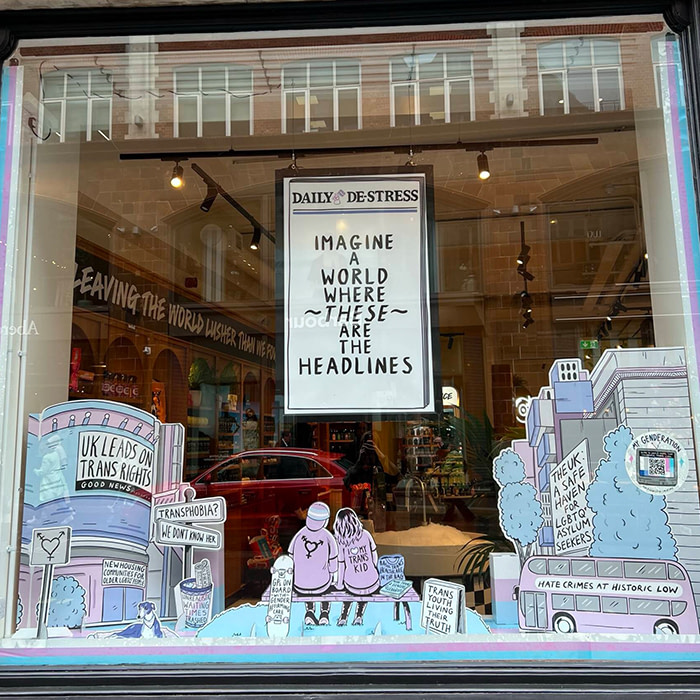
The campaign was designed by trans creatives, and the partner organizations were trans-led. At the same time, Lush rolled out a Gender Affirming Care policy for its own employees. The external campaign matched the internal commitment.
Why it sticks: The product, the partners and the internal policy all backed up the same message.
Levi’s: Meet You in the Park
Levi’s has been showing up for the LGBTQ+ community since 1982, long before brand allyship was expected, and long before it was a marketing strategy.
Their 2025 collection, Meet You in the Park, was designed by Levi’s employees who identify as LGBTQ+, drew from the GLBT Historical Society’s archives, and put reclaimed queer iconography. It also arrived weeks after less than 99% of shareholders opposed a proposal to dismantle the company’s DEI programs.
They made their annual $100,000 donation to Outright International and granted additional funds to The Trevor Project, GiveOut, and the Border Butterflies Project, supporting LGBTQ+ migrants.
Why it sticks: At a moment when brands are quietly backing out, Levi’s got louder.
Zenni Optical: see more love
Zenni isn’t a brand you’d necessarily expect on this list, but for seven consecutive years, they’ve donated 100% of proceeds from their Pride Collection to It Gets Better, a nonprofit uplifting LGBTQ+ youth worldwide. Frames start at $20. The barrier to participation, for customers and the brand alike, is deliberately low.
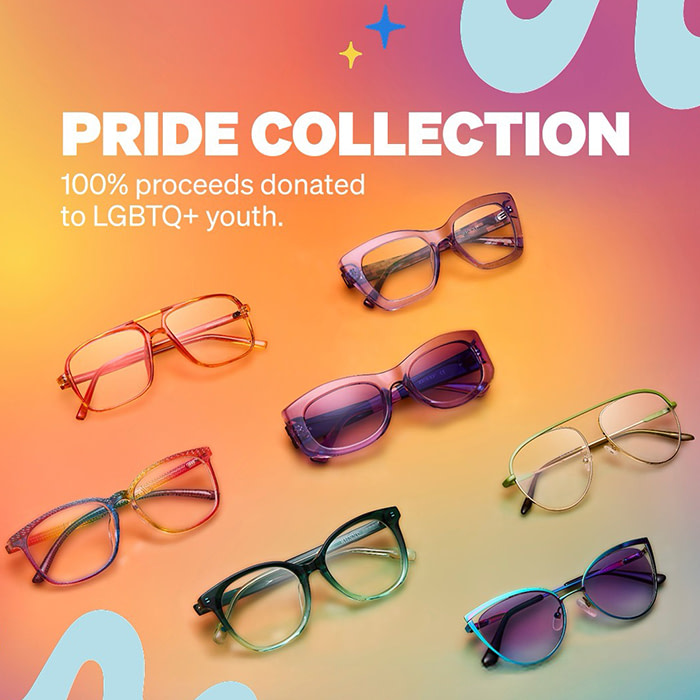
Why it sticks: You don’t need a big budget to make a difference. Just a clear commitment and the willingness to follow through, year after year.
Ben & Jerry’s: year-round advocacy
Ben & Jerry’s has a thirty-year track record. Long before Pride month became a marketing opportunity, they were already supporting civil unions in Vermont in 1999, before it was popular, renaming Chubby Hubby to Hubby Hubby to celebrate marriage equality, and joining 340+ businesses in filing an amicus brief to the Supreme Court in 2015.
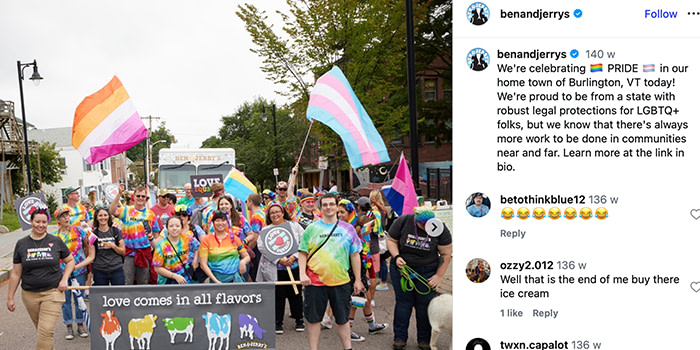
But it’s not just the headline moments Ben & Jerry’s have been there for. They campaign for LGBTQ+ rights in off-peak months, push for policy change between Pride seasons, and consistently use their platform to point people toward action rather than just another scoop.
Why it sticks: 55% of non-LGBTQ+ adults say companies should support the community year-round, not just during Pride month. Ben & Jerry’s has been ahead of the curve for decades.
Brands we’re proud to print for
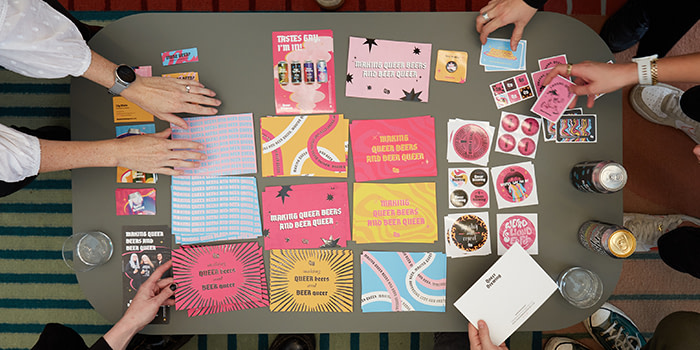
Queer Britain, the UK’s first national LGBTQ+ museum, is a good place to start. We made Printfinity Luxe Postcards from real messages left on their famous hexagon wall, and created Stickers, Name Tags, and Pride Flyers for their events. “You just stick a sticker on yourself, and your queer identity is out there. It’s activism made tangible,” said Evie, their Social Media Manager.
We’ve also worked with Queer Brewing, creating Luxe Business Cards, Stickers, and Postcards for a trans-owned brewery that’s raised tens of thousands for LGBTQ+ charities worldwide. And Daddy’s Plants, a queer-owned Buffalo plant shop where MOO Business Cards ended up in the soil as plant labels. Which is one of our favorite use cases to date.
Happy Pride from everyone at MOO. June is just where we start.
Keep in touch
Get design inspiration, business tips and special offers straight to your inbox with our MOOsletter, out every two weeks.
Share the post
Keep in touch
Get design inspiration, business tips and special offers straight to your inbox with our MOOsletter, out every two weeks.


