Against the churn: why efficiency is killing your brand
Your productivity obsession is making your work worse.
-
 The MOO Team

Share the post


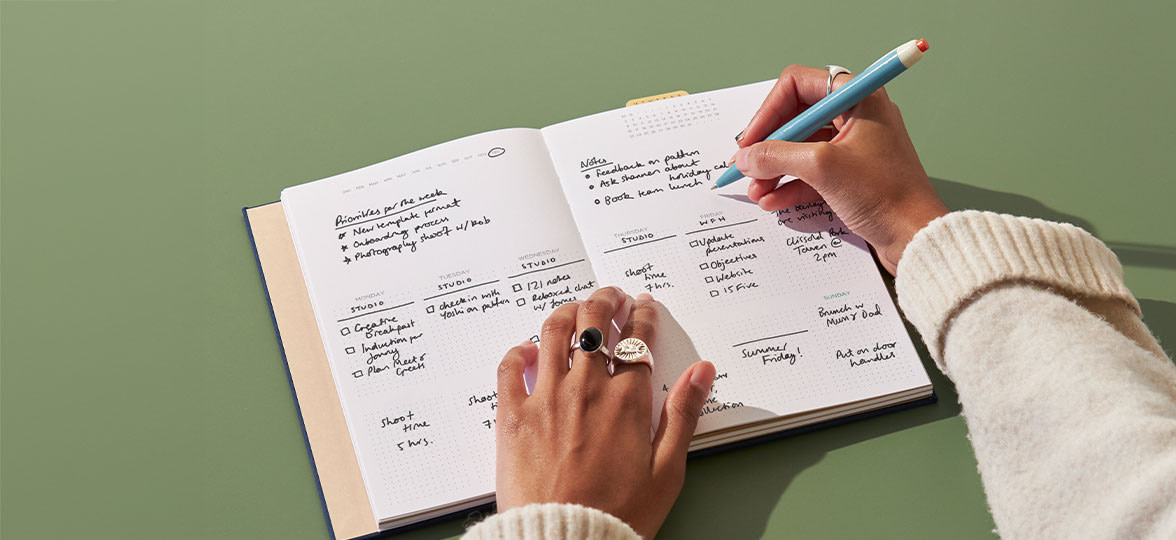
It’s the new year. Goals have been set, targets locked in. The idea of slowing down is unheard of. Doing less feels dangerous. Irresponsible. Lazy.
Because the default is always more.
More campaigns, more content, more “optimisation.”
But what if the thing that’s supposed to save your brand is actually strangling it?
Table of contents
- The productivity myth
- The cost of inattention
- Why you’ll never catch up
- Slowing down is radical
- Speed is the enemy of innovation
- What this means for you brand
Key takeaways
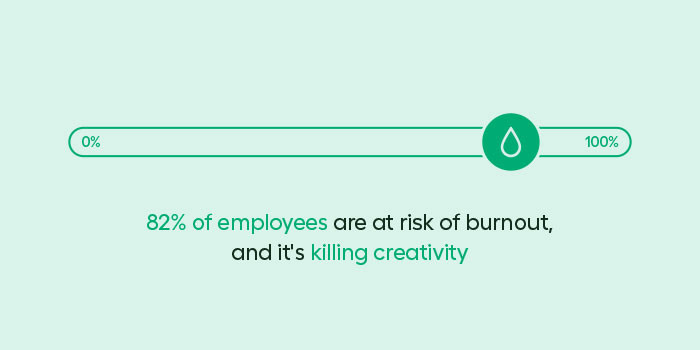
- 82% of employees are at risk of burnout, and it’s killing creativity
- We’re interrupted every 2 minutes—losing 23 minutes of focus each time
- The efficiency trap: the more you optimise, the more demands increase
- Strategic neglect beats endless hustle: you can’t do it all, so choose what matters
- Speed kills creativity. Patience builds brands that last.
The productivity myth
Our race for more has a devastating impact. Employee burnout hit 55% in 2024, and workplace stress costs the global economy $1 trillion annually in lost productivity.
Businesses churn through strategies, campaigns, and “pivots” at breakneck speed. The average tenure of a CMO is now just 40 months. Brand consistency has become a luxury no one can afford when we’re constantly chasing quarterly targets.
We’ve built an economy that demands perpetual motion. But motion isn’t the same as meaning. And efficiency—that holy grail of modern business—has a dark side no one wants to talk about.
The cost of inattention
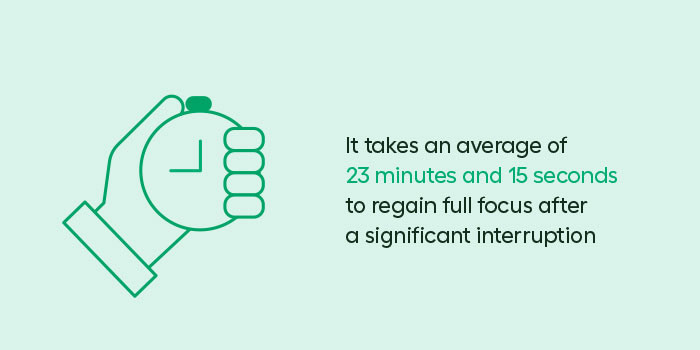
Jumping between tasks might seem like smart working, but it comes at a cost. It takes an average of 23 minutes and 15 seconds to regain full focus after a significant interruption. Even interruptions as short as five seconds triple error rates in complex cognitive work.
Yet distraction has become the norm. Microsoft’s workplace report found that employees are interrupted every two minutes during core work hours by meetings, emails, or chats. That’s 275 times a day.
When you’re racing from task to task, optimising every interaction, you miss the nuance and the detail. And a brand that can’t pay attention to its audience can’t serve them.
Why you’ll never catch up
Oliver Burkeman’s Four Thousand Weeks delivers an uncomfortable truth: you have roughly 4,000 weeks in your life if you’re lucky. And the quest to become more efficient with those weeks is making them worse.
Burkeman points out that the problem with attempting to master your time is that time usually ends up mastering you. He calls it “the efficiency trap”: the more efficient you become, the more demands increase to fill the time you’ve freed up. You’ll never “get on top of things” because the goalposts move every time you get close.
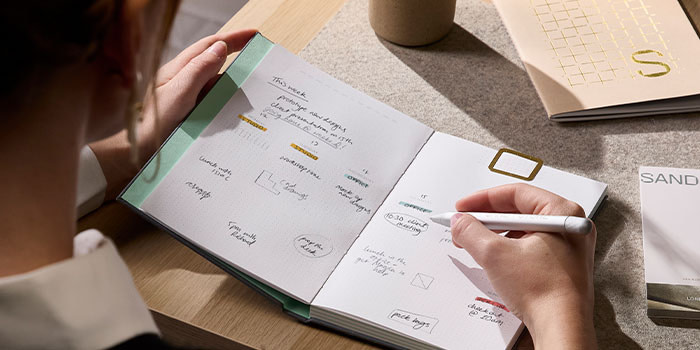
So if you can’t win by doing more, what’s left? Burkeman’s alternative is what he calls “strategic neglect”: deciding what not to do. We simply can’t do it all. Going deep on a few things beats doing a mediocre job of everything.
MOO view: You’ll never reach the end of your to-do list. Ever. The work is infinite, but you’re not. Strategic neglect means admitting some things take years. Our Perpetual Planner doesn’t reset at the end of each calendar year. It just keeps going, slowly, until the work is done.
Slowing down is radical
In his book, Work: A Deep History, anthropologist James Suzman says that for 95% of human history, people worked far less than we do today and thought very differently about work. Our hunter-gatherer ancestors worked around 15 hours a week. The rest was rest, ritual, connection, play.
But in 2026, rest can sound like a dirty word. We’re still celebrating #RiseAndGrind culture. Still reward teams that pull all-nighters and work around the clock to get stuff done.
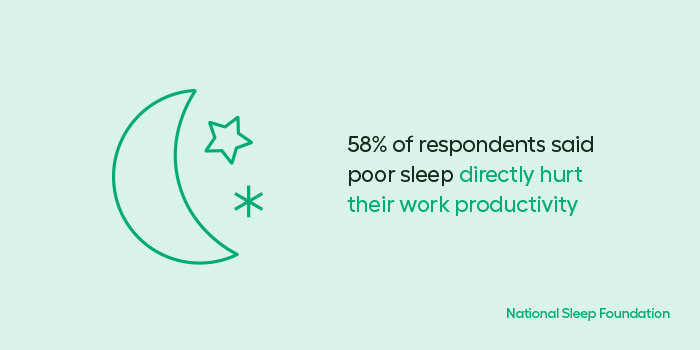
Again, this comes to teams and their output. The National Sleep Foundation found that 58% of respondents said poor sleep directly hurt their work productivity. Meanwhile, researchers discovered that four days in nature without a phone increased creativity by 50%. No efficiency hack. Just rest.
Exhausted teams create exhausted work. Designs that meet the brief but don’t move anyone. Comms that are ‘technically fine’ but don’t elicit emotion. So maybe the question isn’t whether your team can afford to rest. It’s whether they can afford not to.
Speed is the enemy of innovation
John Cleese, the legendary Monty Python creator, noticed his work improved when he was more ‘inefficient’ with his time. He says, “I’d sit there with the problem for another hour…and by sticking at it, would…almost always come up with something more original. It was that simple.”
The first solution that comes quickly is rarely the best one. The breakthrough comes when you stay uncomfortable long enough to find it. But we don’t do that anymore. We’ve built an entire culture around never sitting with discomfort. Got a problem? Google it. Feel creatively burned out? Prompt an AI tool.
Research shows that taking breaks and letting your mind wander during creative work leads to significant performance improvements. Yet we’ve outsourced the messy, uncertain part of thinking, the part where actual creativity lives, all in a rush to be more efficient.
MOO view: Finish something, then sleep on it. Come back with fresh eyes. Better yet, sit with it using a Notebook and Pen. The brain-to-hand connection forces you to slow down and think differently than when you’re typing.
What this means for your brand (and your Business Card)

None of this is comfortable or popular. Suggesting your business should slow down in 2026 feels almost too radical. But is the kind of efficiency that strips out humanity in favour of optimisation really winning?
Brands that will still matter in five years will be the ones that moved deliberately. That built something distinctive because they gave it time and attention. That hired people and then let them think, not just execute.
This applies to everything from your three-year strategy to your Business Cards. A Business Card that’s been rushed through a template factory broadcasts, “I don’t have time for this.” A card that’s been properly considered says, “This matters.”
Efficiency will get you to average. Attention gets you to meaning. And meaning can’t be optimised. It’s made.
At MOO, we believe good work takes time
Explore Business Cards, Postcards, and print products built to last. When you only get one chance to make a first impression, don’t rush it.
If you’re looking for expert support, MOO Business Services provides dedicated account management, custom design assistance, and streamlined ordering. To get started, fill in this simple form, and one of our team members will be in touch shortly.
Keep in touch
Get design inspiration, business tips and special offers straight to your inbox with our MOOsletter, out every two weeks.
Share the post
Keep in touch
Get design inspiration, business tips and special offers straight to your inbox with our MOOsletter, out every two weeks.


